
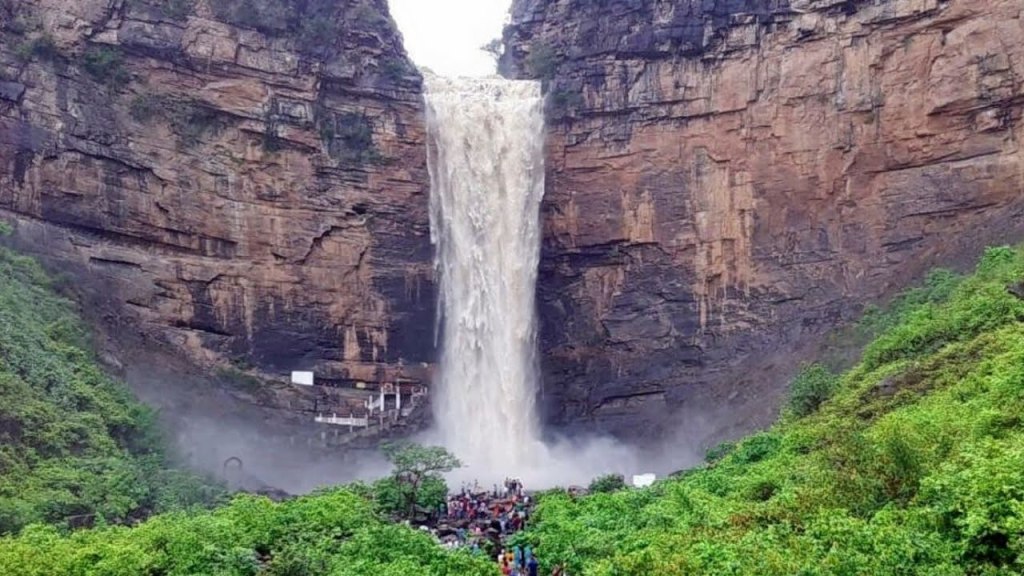
Kakolat Waterfall, located in Bihar’s Nawada district, cascades from a height of approximately 160 feet, creating a mesmerizing natural pool amidst lush greenery.
Bihar, often celebrated for its rich history and spiritual landmarks, is also home to breathtaking natural wonders, including serene waterfalls. While not as widely recognized as those in other parts of India, Bihar’s waterfalls remain hidden gems waiting to be explored. Nestled in lush forests, rugged terrains, and picturesque valleys, these cascading falls offer a tranquil escape for nature lovers and adventure seekers alike. In this article, we explore some of the most stunning waterfalls in Bihar, highlighting their beauty, significance, and the best ways to experience them.
1. Kakolat Waterfall, Nawada
Overview:
One of Bihar’s most famous waterfalls, Kakolat Waterfall, is located on the border of Bihar and Jharkhand. With a drop of around 160 feet, it forms a beautiful natural pool, making it a popular picnic and swimming spot.
Highlights:
- A scenic waterfall surrounded by dense greenery
- Associated with mythological stories from the Mahabharata
- Ideal for picnics and weekend getaways
Best Time to Visit:
October to March, when the weather is pleasant and water levels are steady.
How to Reach:
Located about 33 km from Nawada and 130 km from Patna, it is accessible via road, with private taxis and buses available.
2. Tutla Bhawani Waterfall, Rohtas
Overview:
Tucked away in the hills of Rohtas, Tutla Bhawani Waterfall is an awe-inspiring sight, with water gushing down from the rocky cliffs. It is also a place of religious significance, with a temple dedicated to Goddess Tutla Bhawani nearby.
Highlights:
- A scenic mix of spirituality and natural beauty
- Surrounded by lush greenery and rocky terrain
- Perfect for trekking and exploring the surrounding landscapes
Best Time to Visit:
October to February, when the water flow is steady, and the climate is comfortable.
How to Reach:
About 20 km from Dehri-on-Sone, it is best accessed via private vehicles or taxis from Sasaram.
3. Dhua Kund and Manjhar Kund, Sasaram
Overview:
These twin waterfalls in Sasaram are known for their picturesque beauty and historical significance. The waterfalls gain prominence during the monsoon season, turning into magnificent cascades.
Highlights:
- A popular monsoon destination with heavy water flow
- Surrounded by lush forests, making it ideal for nature photography
- Historically significant as a water source during Sher Shah Suri’s reign
Best Time to Visit:
July to September, when the waterfalls are at their peak.
How to Reach:
Situated just 10 km from Sasaram, the falls are easily accessible via road.
4. Karkat Waterfall, Kaimur Wildlife Sanctuary
Overview:
Nestled within the Kaimur Wildlife Sanctuary, Karkat Waterfall is a pristine attraction that remains relatively unexplored. The sanctuary itself is home to diverse wildlife, making this waterfall an excellent spot for eco-tourists.
Highlights:
- Located inside a wildlife sanctuary, offering opportunities for animal sightings
- Crystal-clear water cascading through rocky cliffs
- Ideal for nature walks and birdwatching
Best Time to Visit:
November to February, when the weather is cool and the sanctuary is teeming with wildlife.
How to Reach:
Around 100 km from Varanasi and well-connected by road from Bhabua.
5. Telhar Waterfall, Kaimur
Overview:
Another hidden gem in the Kaimur district, Telhar Waterfall is a mesmerizing sight with its rapid waters flowing into the pristine pools below. It is also a popular religious site, with nearby temples adding to the spiritual aura.
Highlights:
- A tranquil retreat with stunning natural scenery
- Located near Telhar Kund, a sacred water body
- Ideal for meditation and photography
Best Time to Visit:
September to January, when the waterfall is at its fullest.
How to Reach:
Located near the Bhabua region, it can be accessed via road from Patna and nearby towns.
6. Pawai Waterfall, Aurangabad
Overview:
A lesser-known but captivating waterfall, Pawai Waterfall is located in the Aurangabad district of Bihar. It is a perfect weekend getaway for those looking for solitude and nature’s untouched beauty.
Highlights:
- A hidden gem with little tourist activity
- Surrounded by rugged hills and dense forests
- Ideal for trekking and adventure seekers
Best Time to Visit:
October to March, when the landscape is lush and the temperature is pleasant.
How to Reach:
About 100 km from Patna, accessible via road with private taxis or buses.
7. Manjhar Waterfall, Gaya
Overview:
Situated near the religious city of Gaya, Manjhar Waterfall offers an oasis of tranquility amid the historical and spiritual aura of the region. The waterfall is surrounded by rugged cliffs, creating a breathtaking sight.
Highlights:
- Close to Bodh Gaya, making it an easy addition to a spiritual tour
- Stunning rocky landscape with cascading water
- A peaceful retreat away from the city’s hustle
Best Time to Visit:
October to February, for clear skies and pleasant temperatures.
How to Reach:
Located about 40 km from Gaya, best accessed via private vehicles or taxis.
Conclusion
Bihar’s waterfalls remain some of the most untouched and underrated natural wonders of India. From the well-known Kakolat Waterfall to the hidden charm of Telhar and Karkat, each waterfall offers a unique experience, whether it be adventure, relaxation, or spiritual connection. For travelers seeking offbeat destinations, these waterfalls provide the perfect escape into nature’s serenity. Whether you are a nature enthusiast, a photographer, or simply looking for a peaceful retreat, Bihar’s waterfalls promise an unforgettable experience. Pack your bags and set out on a journey to discover the hidden waterfalls of Bihar!
 Choose your right destination
Leave a comment