
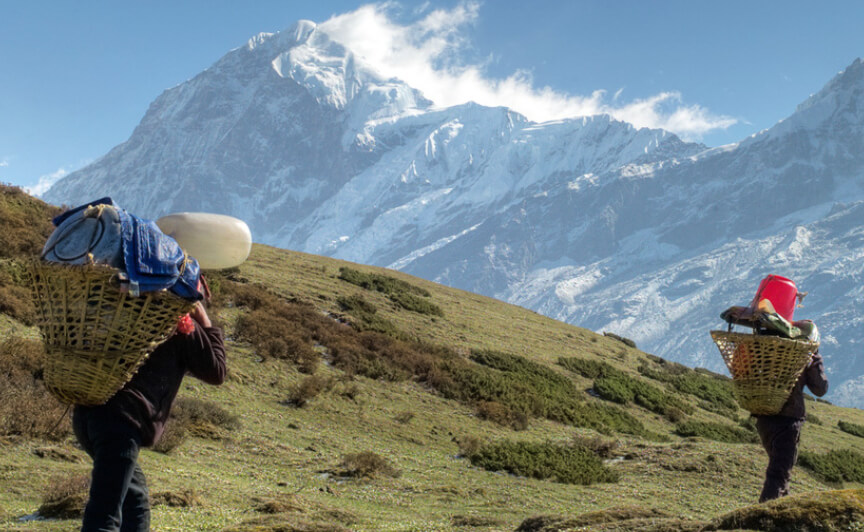
The Dzongri Trek in Sikkim is a shorter alternative to the Goechala Trek, offering trekkers breathtaking views of the Himalayas, including Mt. Kanchenjunga, through dense forests and alpine meadows.
The Dzongri Trek in Sikkim offers adventurers a shorter alternative to the Goechala Trek, providing similar breathtaking landscapes and panoramic views of the Himalayan ranges. This trek is ideal for those seeking a moderately challenging journey through dense forests, alpine meadows, and close encounters with majestic peaks, including the third-highest mountain in the world, Mt. Kanchenjunga.
Overview of the Dzongri Trek
The Dzongri Trek typically spans 5 to 6 days, reaching a maximum altitude of approximately 4,170 meters (13,680 feet) at Dzongri Top. This vantage point offers trekkers a 180-degree panoramic view of the Singalila and Kanchenjunga ranges, making the effort worthwhile.
Starting Point: Yuksom
The journey begins at Yuksom, a historic village situated at an elevation of 1,780 meters (5,840 feet). Known as the first capital of Sikkim, Yuksom serves as the base for several treks into the Himalayas. Trekkers often spend a day here acclimatizing and exploring local monasteries before embarking on the trail.
Trek Itinerary
- Day 1: Yuksom to Tshoka The trek commences with a 16-kilometer hike to Tshoka, ascending through lush forests adorned with oak, pine, and rhododendron trees. This section involves crossing picturesque suspension bridges over gushing streams, adding to the adventure. Tshoka, a small Tibetan refugee settlement at 2,900 meters (9,514 feet), offers the first glimpses of snow-capped peaks.
- Day 2: Tshoka to Dzongri via Phedang The trail continues upward through expansive rhododendron forests, especially vibrant during the blooming season. A notable rest point is Phedang at 3,650 meters (11,975 feet), providing a serene meadow ideal for relaxation. The final ascent to Dzongri is steep but rewarding, as the landscape transitions to alpine meadows. Upon reaching Dzongri, situated at 4,020 meters (13,220 feet), trekkers are greeted with panoramic views of peaks like Kabru, Ratong, and the majestic Kanchenjunga.
- Day 3: Dzongri Top and Return to Tshoka An early morning hike to Dzongri Top, the highest point of the trek at 4,200 meters (13,780 feet), is highly recommended. The vantage point offers a 360-degree view of the Himalayan ranges, with the first light of dawn painting the snow-clad peaks in hues of gold and pink. After soaking in the mesmerizing views, trekkers retrace their steps to Tshoka for an overnight stay.
- Day 4: Tshoka to Yuksom The final day involves descending back to Yuksom, passing through familiar terrains. The downward journey, though easier on the lungs, requires careful footing, especially on steep sections. Upon reaching Yuksom, trekkers can celebrate the completion of their journey and indulge in local delicacies.
Flora and Fauna
The Dzongri Trek is a paradise for nature enthusiasts. The trail is enveloped in rich biodiversity, with forests of oak, maple, chestnut, and magnolia. During spring, the rhododendron forests are in full bloom, creating a vibrant tapestry of colors. Wildlife sightings may include the elusive red panda, Himalayan black bear, and various pheasant species.
Cultural Significance
Beyond natural beauty, the trek offers insights into the cultural heritage of the region. Encounters with local villagers provide a glimpse into the traditional lifestyle of the Sikkimese people. The presence of monasteries and chortens along the trail reflects the deep-rooted Buddhist influence in the area.
Best Time to Trek
The ideal periods for the Dzongri Trek are pre-monsoon (March to May) and post-monsoon (September to November). During these times, the weather is relatively stable, skies are clear, and the flora is at its most vibrant. Winter treks are possible but come with challenges like heavy snowfall and colder temperatures.
Permits and Regulations
Trekkers are required to obtain permits to enter the Kanchenjunga National Park. Additionally, foreign nationals need a Restricted Area Permit (RAP) to visit Sikkim. It’s advisable to arrange these permits in advance through registered trekking agencies.
Preparation and Safety
While the Dzongri Trek is considered moderate, adequate preparation is essential. Trekkers should be in good physical condition and acclimatize properly to prevent altitude sickness. Carrying appropriate gear, including warm clothing, sturdy trekking boots, and rain protection, is crucial. Hiring experienced guides and porters enhances safety and enriches the trekking experience.
Conclusion
The Dzongri Trek stands as a testament to Sikkim’s unparalleled natural beauty and cultural richness. For those seeking a shorter alternative to the Goechala Trek without compromising on scenic grandeur, Dzongri offers an unforgettable Himalayan adventure.
 Choose your right destination
Leave a comment