
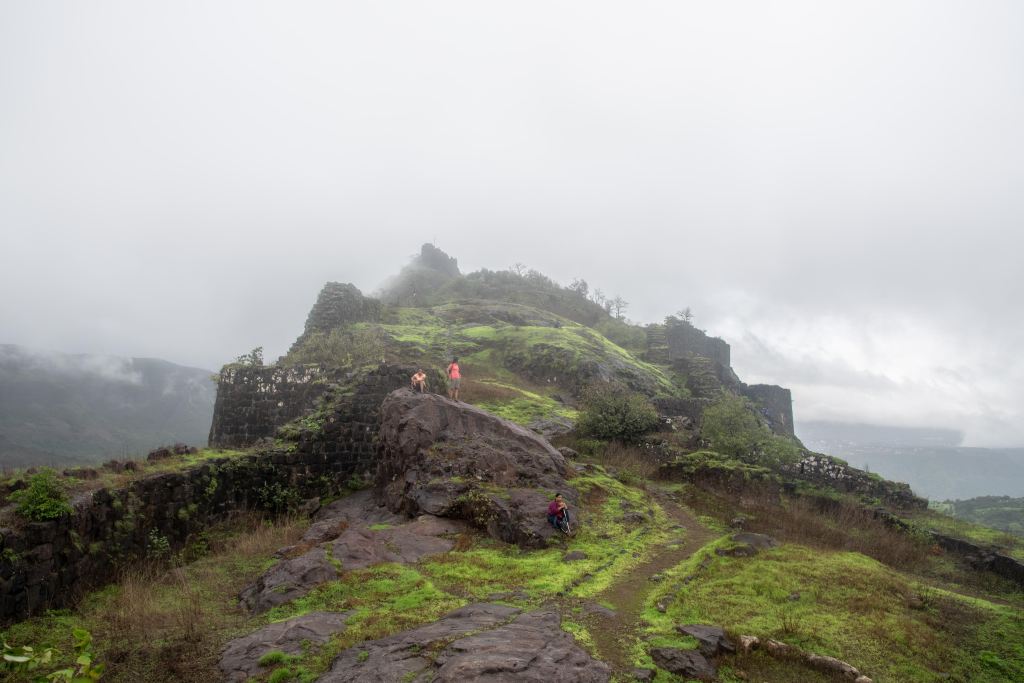
For a visual representation of the Rajmachi Fort Trek during the monsoon season, here’s an image capturing the lush green landscapes and misty ambiance:
Nestled in the verdant embrace of the Sahyadri mountain range in Maharashtra, Rajmachi Fort stands as a testament to India’s rich historical tapestry and natural splendor. Particularly during the monsoon season, this destination transforms into a lush paradise, attracting trekkers and nature enthusiasts alike. This article delves into the intricacies of the Rajmachi Fort Trek, offering comprehensive tourist information to ensure a memorable journey.
Historical Significance of Rajmachi Fort
Rajmachi Fort, also known as Udhewadi, comprises two twin fortresses: Shrivardhan and Manaranjan. Strategically located, it played a pivotal role during the First Anglo-Maratha War, serving as a vantage point over the Bor Ghat trade route. The fort’s architecture reflects Maratha ingenuity, with robust walls and intricate designs that have withstood the test of time.
Monsoon: The Best Time to Trek
While Rajmachi Fort is accessible year-round, the monsoon season (June to September) unveils its true charm. The rains rejuvenate the landscape, carpeting the region in vibrant greenery and reviving numerous waterfalls. However, trekkers should be prepared for slippery trails and leeches, making appropriate gear essential.
Trekking Routes to Rajmachi Fort
There are primarily two routes leading to Rajmachi Fort, each offering distinct experiences:
- Lonavala Route: This 15 km trail from Lonavala is relatively straightforward, characterized by gentle ascents and descents. Trekkers pass through dense forests, quaint villages, and scenic viewpoints. On average, it takes about 3.5 hours to reach the fort from Lonavala.
- Karjat Route via Kondhane Village: Starting from Kondhane village in Karjat Taluka, this path presents a steeper climb. Trekkers navigate through rugged terrains and can explore the ancient Kondhane Buddhist caves en route. An experienced trekker typically completes this route in approximately 2.5 hours.
Flora and Fauna
The monsoon season breathes life into the Sahyadris, with the region boasting a rich biodiversity. Trekkers might encounter various species of birds, butterflies, and small mammals. The trails are adorned with wildflowers, moss-covered trees, and the soothing sounds of cascading streams.
Key Attractions En Route and at the Fort
- Kondhane Caves: These ancient Buddhist caves, dating back to the 2nd century BCE, are adorned with intricate carvings and stupas, offering a glimpse into India’s rich cultural heritage.
- Kataldhar Waterfall: Accessible via a diversion on the Rajmachi trekking route, this 350-foot waterfall is a monsoon spectacle. Reaching it requires basic trekking experience, but the sight of water gushing amidst dense forests is rewarding.
- Shrivardhan and Manaranjan Forts: Once atop Rajmachi, exploring these twin fortresses provides panoramic views of the Sahyadris, insights into Maratha architecture, and a sense of the fort’s strategic importance.
Accommodation and Camping
The base village, Udhewadi, offers basic homestays where locals provide shelter and traditional Maharashtrian meals. For those seeking a rustic experience, camping is permitted on the plateau. Trekkers should carry their own tents and ensure they practice Leave No Trace principles to preserve the environment.
Preparation and Safety Tips
- Physical Fitness: While the trek is considered moderate, a reasonable level of fitness enhances the experience. Engaging in preparatory cardiovascular exercises is advisable.
- Gear: Investing in quality trekking shoes with a good grip is crucial, especially during the slippery monsoon months. Rain gear, insect repellent, and a basic first-aid kit are also essential.
- Guides: For those unfamiliar with the terrain, hiring a local guide ensures safety and enriches the journey with local anecdotes and knowledge.
- Hydration and Nutrition: Carrying sufficient water and energy-boosting snacks like nuts and fruits is recommended, as amenities en route are limited.
Environmental Responsibility
Trekkers are urged to respect the natural habitat by avoiding littering, refraining from disturbing wildlife, and sticking to designated trails. Supporting local communities by opting for homestays and purchasing local produce contributes positively to the region’s economy.
Connectivity and Accessibility
Lonavala serves as the nearest major town, well-connected by road and rail to Mumbai and Pune. From Lonavala, local transport or private vehicles can ferry trekkers to the starting point of the trek. It’s advisable to check weather forecasts before planning the journey, as heavy rains can occasionally lead to landslides or trail closures.
Conclusion
The Rajmachi Fort Trek during the monsoon is a symphony of history, adventure, and nature’s bounty. The mist-laden trails, roaring waterfalls, and the fort’s ancient walls narrate tales of yore, offering trekkers an immersive experience. With proper preparation and a spirit of exploration, this trek promises memories etched in the hues of green and the whispers of the monsoon winds.
 Choose your right destination
Leave a comment