
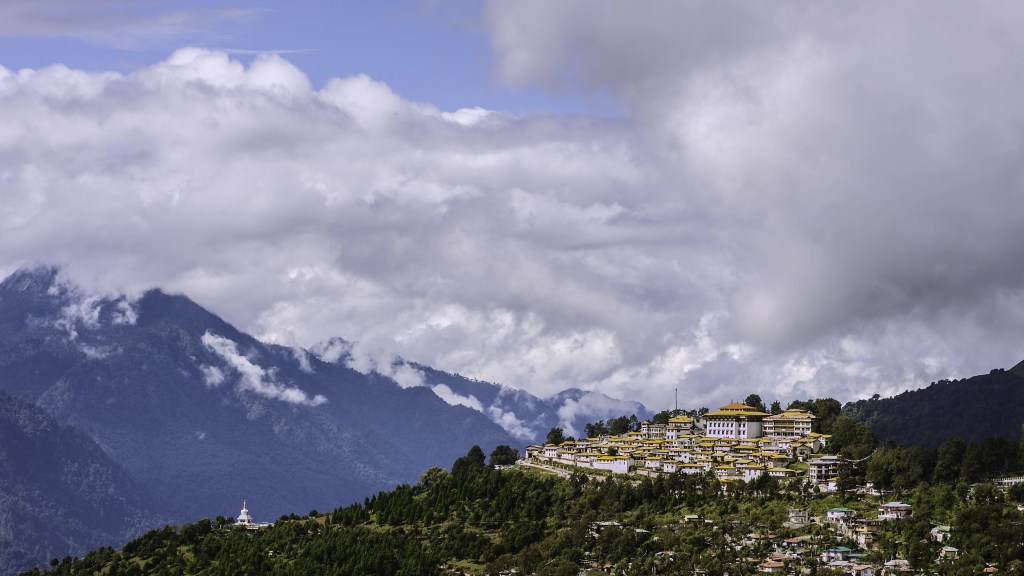
A serene view of the Tawang Monastery bathed in the soft light of dawn, showcasing its majestic architecture against the backdrop of the Eastern Himalayas.
Embarking on the Tawang Trek is an exhilarating journey that combines the thrill of high-altitude trekking with the serenity of visiting one of India’s most significant Buddhist monasteries, the Tawang Monastery. Nestled in the northeastern state of Arunachal Pradesh, this trek offers adventurers a unique blend of natural beauty, cultural richness, and spiritual solace.
Understanding the Tawang Region
Tawang, perched at an elevation of approximately 10,000 feet, is renowned for its breathtaking landscapes, snow-capped mountains, and vibrant monasteries. The region is predominantly inhabited by the Monpa tribe, who practice Tibetan Buddhism and have a rich cultural heritage. The Tawang Monastery, also known as Galden Namgyal Lhatse, stands as a testament to the region’s deep-rooted spiritual traditions.
Historical Significance of Tawang Monastery
Founded between 1680 and 1681 by Merek Lama Lodre Gyamsto at the behest of the 5th Dalai Lama, the Tawang Monastery is the largest in India and the second-largest in the world after the Potala Palace in Lhasa, Tibet. The monastery has played a pivotal role in preserving and promoting Buddhist teachings and traditions in the region. Its strategic location has also made it a site of historical importance, especially during events like the 1962 Sino-Indian War.
The Trekking Experience
Preparation and Best Time to Visit
Trekking to Tawang requires meticulous planning due to its challenging terrain and high altitude. The ideal time to undertake this trek is between March and October, avoiding the monsoon months of July and August when trails can become slippery and hazardous. Trekkers should ensure they are physically fit and acclimatized to prevent altitude sickness.
Popular Trekking Routes
- Sela Pass Trek: This is one of the most popular routes to Tawang, starting from the town of Dirang. The trail takes trekkers through the majestic Sela Pass, situated at an altitude of 13,700 feet. The pass is adorned with pristine lakes, including the famous Sela Lake, and offers panoramic views of the Eastern Himalayas.
- Bailey Trail: A historic route used during World War II, the Bailey Trail starts from the town of Tawang and traverses through high-altitude meadows, dense forests, and ancient tribal villages. This trail provides trekkers with an opportunity to experience the rich biodiversity and cultural tapestry of the region.
- Gorichen Base Camp Trek: For seasoned trekkers seeking a more strenuous challenge, the trek to the base camp of Gorichen Peak, the highest peak in Arunachal Pradesh, is ideal. The trail offers mesmerizing views of the peak and surrounding landscapes.
Flora and Fauna
The trekking routes to Tawang are rich in biodiversity. Trekkers can encounter a variety of flora, including rhododendrons, orchids, and alpine meadows. The region is also home to diverse fauna such as red pandas, musk deer, and numerous bird species, making it a paradise for nature enthusiasts and bird watchers.
Cultural Immersion
Monpa Tribe and Their Traditions
The Monpa tribe, the primary inhabitants of Tawang, are known for their warm hospitality and vibrant culture. Trekkers have the opportunity to visit Monpa villages, interact with locals, and experience their traditional lifestyle. The Monpas are skilled in arts like thangka painting, weaving, and wood carving, and they celebrate several festivals with dance, music, and traditional rituals.
Festivals
- Torgya Festival: Held annually in January, this festival is celebrated to ward off evil spirits and bring prosperity to the community. Monks perform traditional dances wearing elaborate masks, and the monastery premises come alive with vibrant decorations and rituals.
- Losar Festival: Marking the Tibetan New Year, Losar is celebrated with much fervor in Tawang. The festival includes prayers, dances, and feasts, offering trekkers a chance to immerse themselves in the local culture.
Visiting Tawang Monastery
Architectural Marvel
The Tawang Monastery complex is an architectural masterpiece, resembling a fort with its high walls and strategic location overlooking the Tawang River valley. The three-storied structure houses several buildings, including the main temple (Dukhang), a library, and residential quarters for monks. The entrance, known as the Kakaling, is adorned with intricate murals and serves as a testament to the rich artistic heritage of the region.
Main Temple (Dukhang)
The Dukhang is the heart of the monastery, where monks gather for prayers and ceremonies. It houses a magnificent 18-feet high gilded statue of Lord Buddha in a lotus position, exuding an aura of tranquility. The walls of the temple are adorned with vibrant thangkas (Buddhist scroll paintings) depicting various deities and saints.
Library and Scriptures
The monastery’s library is a treasure trove of ancient Buddhist scriptures and manuscripts. It houses handwritten and printed texts of Kangyur and Tengyur, which are revered Buddhist scriptures. The library also contains numerous thangkas and other religious artifacts, offering insights into the rich spiritual heritage of Tibetan Buddhism.
Practical Information for Trekkers
Permits
Arunachal Pradesh is a protected area, and both domestic and international travelers require permits to visit. Indian nationals need an Inner Line Permit (ILP), while foreigners require a Protected Area Permit (PAP). These permits can be obtained from designated authorities and should be arranged well in advance of the trek.
 Choose your right destination
Leave a comment