
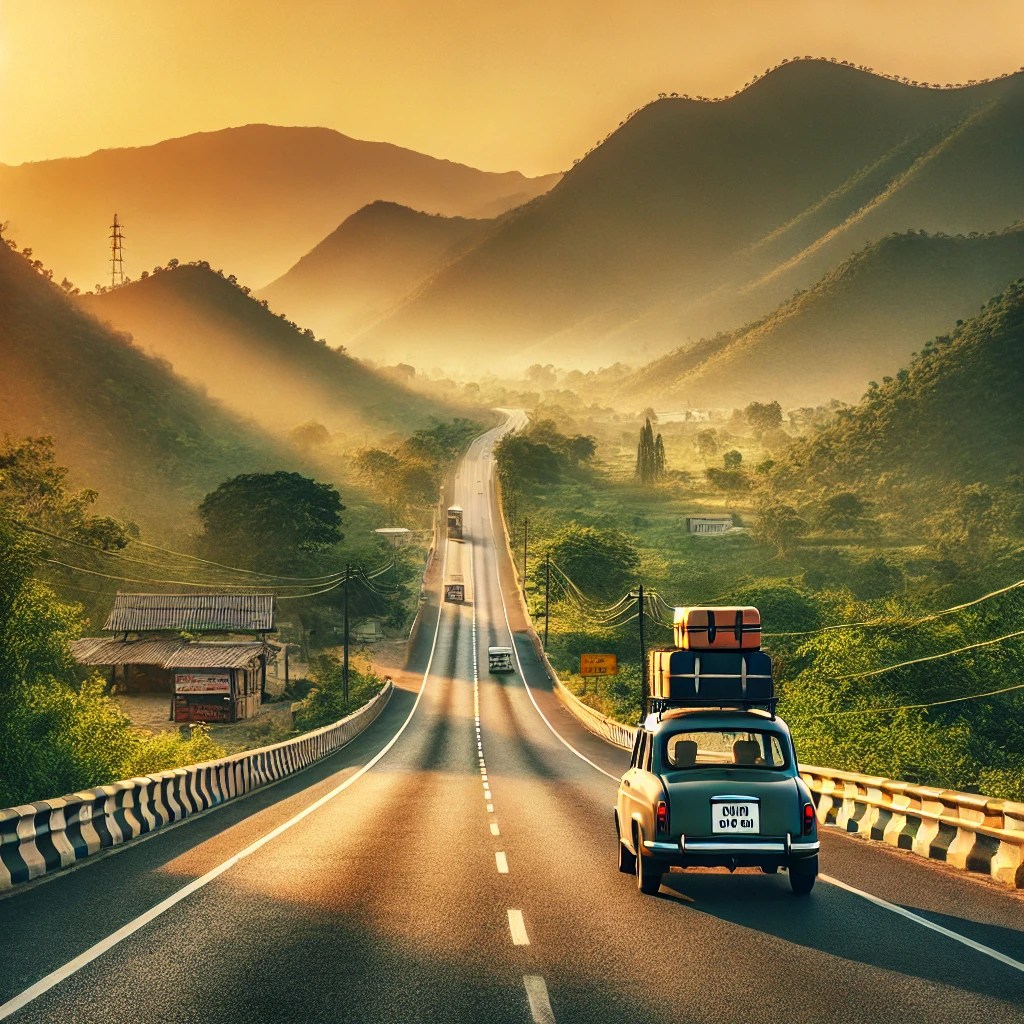
India, with its diverse landscapes, rich history, and vibrant cultures, is one of the most exciting countries to explore by road. Whether you are drawn to the majestic Himalayas, the serene beaches of Goa, the vast Thar Desert, or the lush greenery of Kerala, a road trip across India promises an unforgettable adventure. However, planning such a journey requires careful preparation. Here’s a comprehensive guide to help you plan the ultimate road trip across India.
1. Choose the Best Route
India offers a multitude of scenic road trip routes. Some of the most popular ones include:
- The Golden Triangle (Delhi – Agra – Jaipur): A perfect introduction to India’s heritage, this route covers historical landmarks like the Taj Mahal, Amer Fort, and Qutub Minar.
- Leh-Ladakh Circuit: A dream route for adventure enthusiasts, offering breathtaking mountain landscapes and high-altitude passes.
- Mumbai to Goa: A coastal drive that promises stunning beaches, delicious seafood, and vibrant nightlife.
- Chennai to Pondicherry: A picturesque route along the East Coast Road with French colonial charm awaiting in Pondicherry.
- Rajasthan Desert Circuit (Jaipur – Jaisalmer – Jodhpur – Udaipur): A journey through majestic forts, desert dunes, and royal palaces.
- Kerala Backwaters and Hill Stations: Explore tea plantations in Munnar, the backwaters of Alleppey, and the serene beaches of Varkala.
2. Decide on Your Travel Duration
Depending on the route you choose, your road trip can last from a few days to several weeks. Consider factors such as:
- Distance: India is vast, and long drives can be exhausting.
- Weather Conditions: Avoid monsoon travel in hilly areas and peak summers in desert regions.
- Places of Interest: Plan stops to explore historical sites, natural attractions, and cultural experiences.
3. Choose the Right Vehicle
Selecting the right vehicle is crucial for a smooth journey. Options include:
- Self-Drive Car or SUV: Ideal for comfort, especially for long highway drives.
- Bike or Motorcycle: Perfect for adventure-seekers, particularly on routes like Ladakh and Spiti Valley.
- Caravan or Camper Van: A growing trend in India, offering flexibility and comfort for long journeys.
Ensure your vehicle is well-serviced and carry essential documents such as:
- Driving license
- Vehicle registration certificate
- Insurance papers
- Pollution Under Control (PUC) certificate
4. Accommodation Options
India offers a variety of accommodations, from luxury resorts to budget stays. Depending on your budget and preferences, you can opt for:
- Hotels and resorts
- Homestays and guesthouses
- Campsites (especially in Ladakh, Rishikesh, and Rajasthan)
- Hostels for budget travelers
It’s advisable to book accommodations in advance, especially in peak tourist seasons.
5. Budget Planning
A road trip across India can be budget-friendly or luxurious, depending on your preferences. Consider these expenses:
- Fuel Costs: Estimate fuel expenses based on your route.
- Tolls and Parking: Factor in highway tolls and city parking fees.
- Accommodation: Set a budget based on your stay preferences.
- Food and Dining: Street food is a great budget-friendly option, while fine dining adds to the cost.
- Sightseeing and Activities: Entry fees to monuments, adventure sports, and local tours should be considered.
6. Packing Essentials
Packing smartly ensures a comfortable trip. Essentials include:
- Navigation & Maps: GPS-enabled apps like Google Maps or offline maps.
- First Aid Kit: Carry essential medicines, bandages, and pain relievers.
- Emergency Tools: Spare tire, jack, flashlight, and toolkit.
- Personal Items: Comfortable clothing, sunglasses, sunscreen, and power banks.
- Food and Water: Snacks and bottled water for long stretches with no eateries.
7. Safety Tips
Safety is paramount during a road trip. Follow these precautions:
- Avoid Night Driving: Indian roads can be unpredictable at night.
- Check Road Conditions: Some routes, like Leh-Ladakh, require updates on road closures.
- Keep Emergency Contacts Handy: Store numbers of local police, hospitals, and roadside assistance.
- Follow Traffic Rules: Wear seat belts, avoid overspeeding, and respect road signs.
- Stay Alert in Remote Areas: In isolated regions, fuel stations and medical help may be scarce.
8. Experience Local Culture
One of the biggest advantages of a road trip is experiencing India’s diverse culture. Engage with locals, try regional cuisines, visit traditional markets, and participate in local festivals.
Some cultural highlights include:
- Street food in Delhi and Mumbai
- Tea plantations in Darjeeling and Munnar
- Rajasthani folk music and dance
- Spiritual experiences in Varanasi or Rishikesh
- Beach shacks and nightlife in Goa
9. Capture Memories
Don’t forget to document your journey. Carry a camera or use your phone to capture landscapes, cultural interactions, and unique moments. Sharing travel experiences through blogs or social media can also inspire others.
10. Be Flexible and Enjoy the Journey
A road trip is about the journey as much as the destination. Be open to unplanned detours, spontaneous stops, and unexpected adventures. India’s beauty lies in its surprises—sometimes the best experiences come from the unplanned moments.
Conclusion
A road trip across India is an enriching experience that offers breathtaking landscapes, rich history, and diverse cultures. With proper planning, the right vehicle, and a spirit of adventure, your journey will be nothing short of spectacular. Whether you choose to traverse the mountains, explore ancient forts, or unwind by the beaches, every mile in India tells a story worth experiencing. So, pack your bags, hit the road, and create memories that will last a lifetime!
 Choose your right destination
Leave a comment