
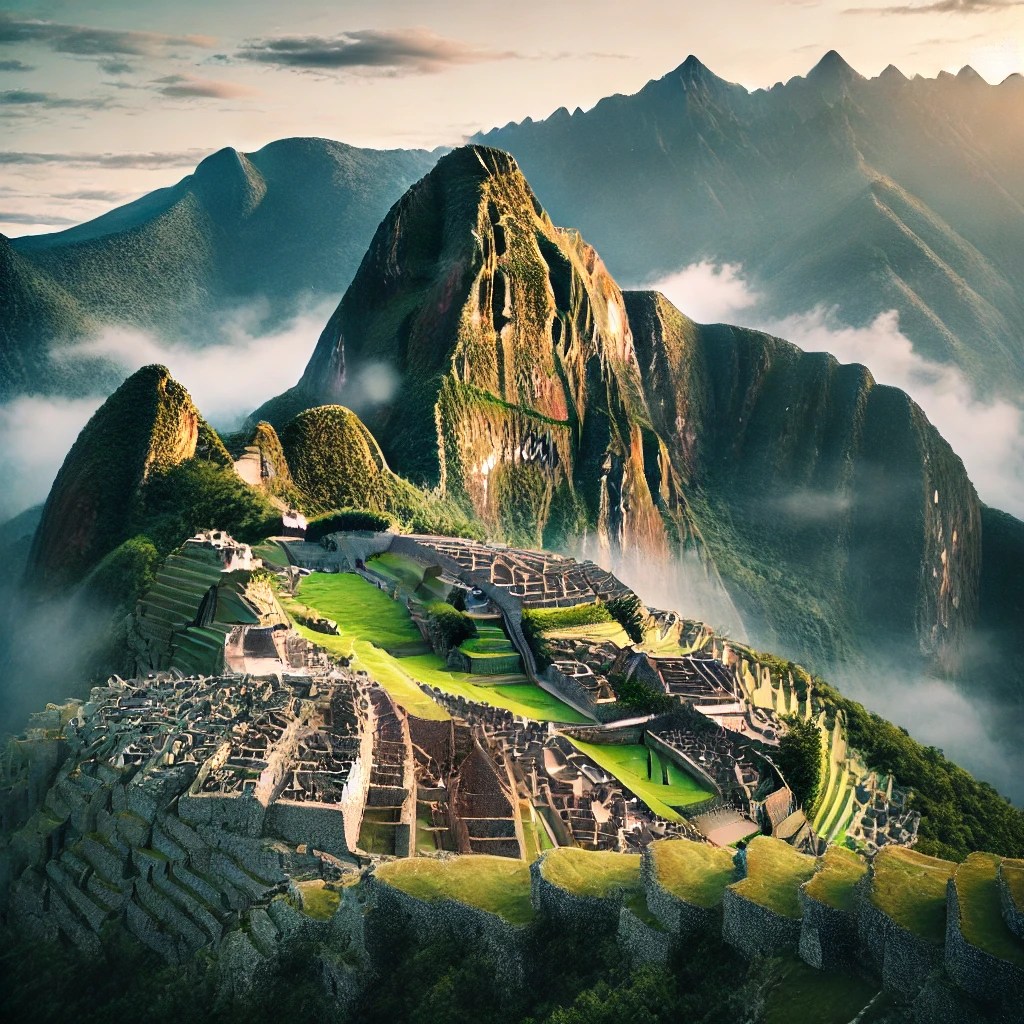
Here’s a picture of Machu Picchu, another stunning UNESCO World Heritage Site.
India, with its rich cultural heritage and breathtaking landscapes, is home to an impressive list of UNESCO World Heritage Sites. These sites represent the country’s architectural brilliance, historical significance, and natural wonders. Whether you’re a history buff, nature lover, or an avid traveler, exploring these iconic landmarks offers an unforgettable journey through time. Let’s dive into some of the most remarkable UNESCO sites in India!
1. Taj Mahal, Agra (1983)
No list of UNESCO sites in India is complete without mentioning the Taj Mahal. This white marble masterpiece, built by Emperor Shah Jahan in memory of his beloved wife Mumtaz Mahal, stands as a symbol of eternal love. The intricate carvings, symmetrical gardens, and the shimmering reflection in the Yamuna River make it one of the most photographed monuments in the world. Visit early in the morning to capture its ethereal beauty at sunrise.
Why Visit: Stunning architecture, romantic history, and mesmerizing sunrise views.
2. Jaipur City, Rajasthan (2019)
Known as the ‘Pink City,’ Jaipur was recognized as a UNESCO site for its urban planning and magnificent architecture. With its majestic forts, palaces, and vibrant markets, Jaipur seamlessly blends royal heritage with modern charm. Must-see attractions include the City Palace, Hawa Mahal, Jantar Mantar, and Amer Fort.
Why Visit: Royal palaces, rich culture, and vibrant bazaars.
3. Qutub Minar, Delhi (1993)
Standing tall at 73 meters, the Qutub Minar is the tallest brick minaret in the world. Built in the 12th century by Qutub-ud-din Aibak and later completed by his successors, this red sandstone tower is adorned with intricate Arabic calligraphy. The surrounding complex also houses the Iron Pillar, which has baffled scientists with its rust-resistant composition.
Why Visit: Ancient architecture, historical significance, and stunning craftsmanship.
4. Sun Temple, Konark (1984)
A marvel of Odisha’s coastline, the Sun Temple in Konark is designed as a colossal chariot dedicated to the Sun God, Surya. Built in the 13th century, the temple’s intricate stone carvings depict various aspects of life, mythology, and celestial beings. The architecture aligns perfectly with the sun’s movement, making it an architectural wonder.
Why Visit: Unique chariot design, detailed carvings, and coastal charm.
5. Kaziranga National Park, Assam (1985)
For wildlife enthusiasts, Kaziranga National Park is a must-visit. Home to two-thirds of the world’s one-horned rhinoceros population, this park offers an immersive experience into India’s diverse wildlife. From elephants and tigers to swamp deer and migratory birds, Kaziranga is a haven for biodiversity.
Why Visit: Rare wildlife, scenic landscapes, and thrilling safari rides.
6. Khajuraho Group of Monuments, Madhya Pradesh (1986)
Famous for its erotic sculptures, the Khajuraho temples are a masterpiece of Indian art and architecture. Built between the 10th and 12th centuries by the Chandela dynasty, these temples depict a celebration of love, life, and spirituality through detailed carvings. The temples are divided into three groups — Western, Eastern, and Southern — with the Kandariya Mahadev Temple being the most prominent.
Why Visit: Artistic brilliance, historic significance, and architectural mastery.
7. Hampi, Karnataka (1986)
Once the glorious capital of the Vijayanagara Empire, Hampi now stands as an enchanting ruin, spread across a surreal boulder-strewn landscape. The site boasts grand temples, ancient markets, royal complexes, and massive stone statues. The Virupaksha Temple, Vittala Temple (famed for its musical pillars), and the Stone Chariot are highlights you can’t miss.
Why Visit: Ancient ruins, mythical stories, and breathtaking landscapes.
8. Elephanta Caves, Maharashtra (1987)
Located on Elephanta Island near Mumbai, these caves house impressive rock-cut sculptures dedicated to Lord Shiva. The centerpiece is the iconic ‘Trimurti’ sculpture, portraying Shiva as the Creator, Preserver, and Destroyer. A ferry ride from the Gateway of India takes you to this historical marvel.
Why Visit: Intricate carvings, spiritual aura, and a scenic boat ride.
9. Valley of Flowers National Park, Uttarakhand (2005)
A paradise for nature lovers and trekkers, the Valley of Flowers blooms with a vibrant palette of alpine flowers during the monsoon season. Nestled in the Himalayas, this UNESCO site is also home to rare fauna like the snow leopard and blue sheep. The trek to this valley offers mesmerizing views of snow-capped peaks and gushing streams.
Why Visit: Spectacular wildflowers, Himalayan views, and serene trekking trails.
10. Rani Ki Vav, Gujarat (2014)
This intricately designed stepwell in Patan, Gujarat, showcases the stunning artistry of the Solanki dynasty. Built in the 11th century, Rani Ki Vav (Queen’s Stepwell) was constructed in memory of King Bhima I by his wife, Queen Udayamati. It features detailed sculptures of deities, mythological figures, and everyday scenes.
Why Visit: Architectural masterpiece, historical charm, and unique design.
Final Thoughts
India’s UNESCO World Heritage Sites are more than just tourist attractions — they are a reflection of the country’s diverse history, rich culture, and natural wonders. Each site tells a unique story, offering an immersive journey into the past while leaving you in awe of the craftsmanship and beauty. Whether you’re exploring ancient ruins, marveling at grand palaces, or venturing into wildlife sanctuaries, these destinations promise unforgettable experiences.
So, which UNESCO site in India will you visit first? Pack your bags, fuel your wanderlust, and embark on an extraordinary adventure across India’s most treasured landmarks!
 Choose your right destination
Leave a comment