
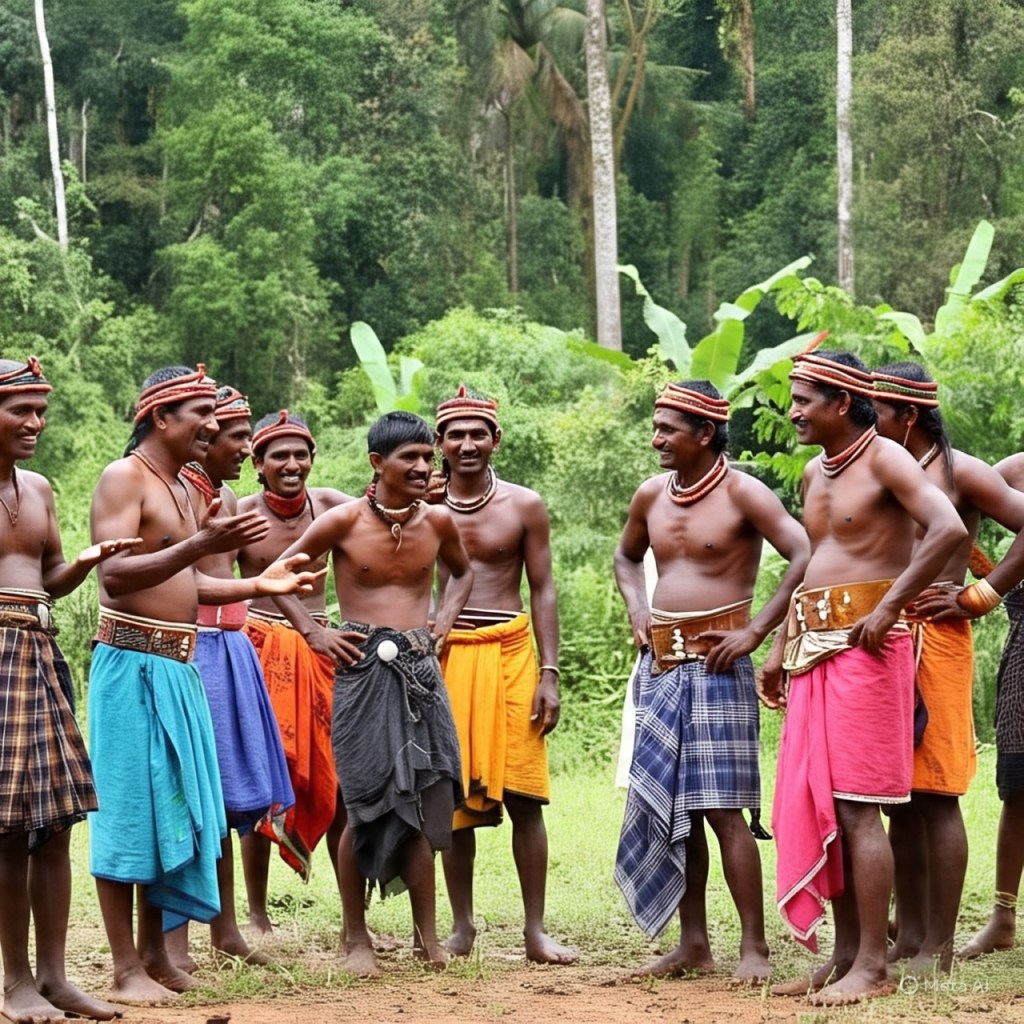
Wayanad, located in the lush highlands of Kerala, is not only known for its breathtaking landscapes, mist-covered hills, and exotic wildlife but also for its rich tribal heritage. Home to some of the oldest and most vibrant tribal communities in India, Wayanad offers an authentic cultural experience for tourists looking to go beyond mainstream attractions.
In this article, we delve into the tribal traditions of Wayanad, exploring their customs, festivals, art, music, and lifestyle from a traveler’s perspective. If you’re planning a visit to this beautiful region, understanding the indigenous heritage will add immense depth to your journey.
Understanding Wayanad’s Tribal Diversity
Wayanad is home to a number of tribal groups, including Paniyas, Adiyas, Kurichiyas, Kattunayakans, and Uralis, each with its own unique language, customs, and belief systems. These tribes have lived in harmony with nature for centuries, following a sustainable and community-based lifestyle.
Traditional Occupations and Way of Life
The tribes of Wayanad have traditionally depended on farming, honey collection, bamboo craft, and hunting (now reduced due to wildlife conservation efforts). Many still engage in shifting cultivation and live in forested areas close to nature.
Visitors can witness their earth-friendly lifestyles, often centered around joint family systems and oral knowledge passed down through generations.
Tribal Art and Music
One of the most enriching aspects of Wayanad’s tribal culture is its art and music. Tourists are often captivated by tribal dance forms such as Vattakali, Gadhika, and Nellukuthu Pattu, which are performed during rituals and celebrations.
- Gadhika, in particular, is a ritual dance of the Adiya tribe performed to cure illnesses and protect the community.
- Vattakali, performed by Kurichiya men, involves rhythmic steps around a circle, often symbolizing unity and brotherhood.
These performances often use traditional instruments like the chenda and tribal drums, creating a mesmerizing atmosphere for onlookers.
Tribal Cuisine – A Taste of the Forest
Wayanad’s tribal cuisine is a culinary journey into the forest. Using wild roots, bamboo rice, forest greens, jackfruit, and fresh honey, these communities create healthy and earthy meals. Visitors who stay in eco-lodges or tribal-run homestays can often sample these authentic dishes.
Some highlights include:
- Koon curry (mushroom curry)
- Bamboo rice kanji (porridge)
- Wild honey and tapioca with fish curry
Festivals and Rituals – Celebrating the Spirit of the Forest
Tribal communities in Wayanad celebrate a range of seasonal and spiritual festivals, often connected to nature, harvest, and local deities.
- Kurumbar Kali is a tribal festival that honors ancestral spirits.
- Gadhika festival, supported by the Kerala government, showcases tribal art, dance, and healing rituals, drawing visitors and scholars alike.
Many rituals are performed in sacred groves or “kavu”, emphasizing the tribe’s deep spiritual bond with the environment.
Government and NGO Participation in Preservation
In recent years, both government bodies and NGOs have played a vital role in preserving tribal traditions in Wayanad while promoting sustainable tourism. Projects by the Kerala Forest Department and Tribal Welfare Board aim to provide healthcare, education, and livelihood training without disturbing indigenous culture.
Tourists may come across tribal heritage villages, where tribes demonstrate their daily life, crafts, and performances in an ethical, non-exploitative manner.
How Tourists Can Participate Ethically
Visiting tribal areas comes with a responsibility. Here’s how tourists can contribute positively:
- Book eco-stays or tribal homestays that directly benefit local communities.
- Attend cultural shows organized by certified tribal collectives.
- Purchase handmade crafts such as bamboo products, textiles, or musical instruments.
- Avoid invasive photography or behavior that disrespects privacy or sacred rituals.
Many local travel operators now include tribal village walks, cultural immersion tours, and workshops on medicinal plants or folk crafts as part of their packages.
The Future of Tribal Traditions in Wayanad
As modernization sweeps across rural Kerala, tribal identities face both opportunities and threats. Education and economic development have opened new doors, but they’ve also challenged traditional structures and beliefs.
However, eco-tourism and responsible travel have emerged as powerful tools to bridge this gap—preserving cultural heritage while offering new livelihoods to tribal youth.
Final Thoughts
Wayanad is more than just waterfalls, tea gardens, and spice plantations. Its soul lies in the tribal cultures that have flourished here for centuries, living in sync with nature and the rhythms of the forest.
As a traveler, discovering the tribal traditions of Wayanad gives you a richer, more meaningful connection to this enchanting land. From ritual dances and forest foods to sacred groves and art forms, every aspect of their culture tells a story worth hearing—and preserving.
So, the next time you plan your Wayanad itinerary, make space for its tribal heritage. It may well be the highlight of your journey.
 Choose your right destination
Leave a comment