
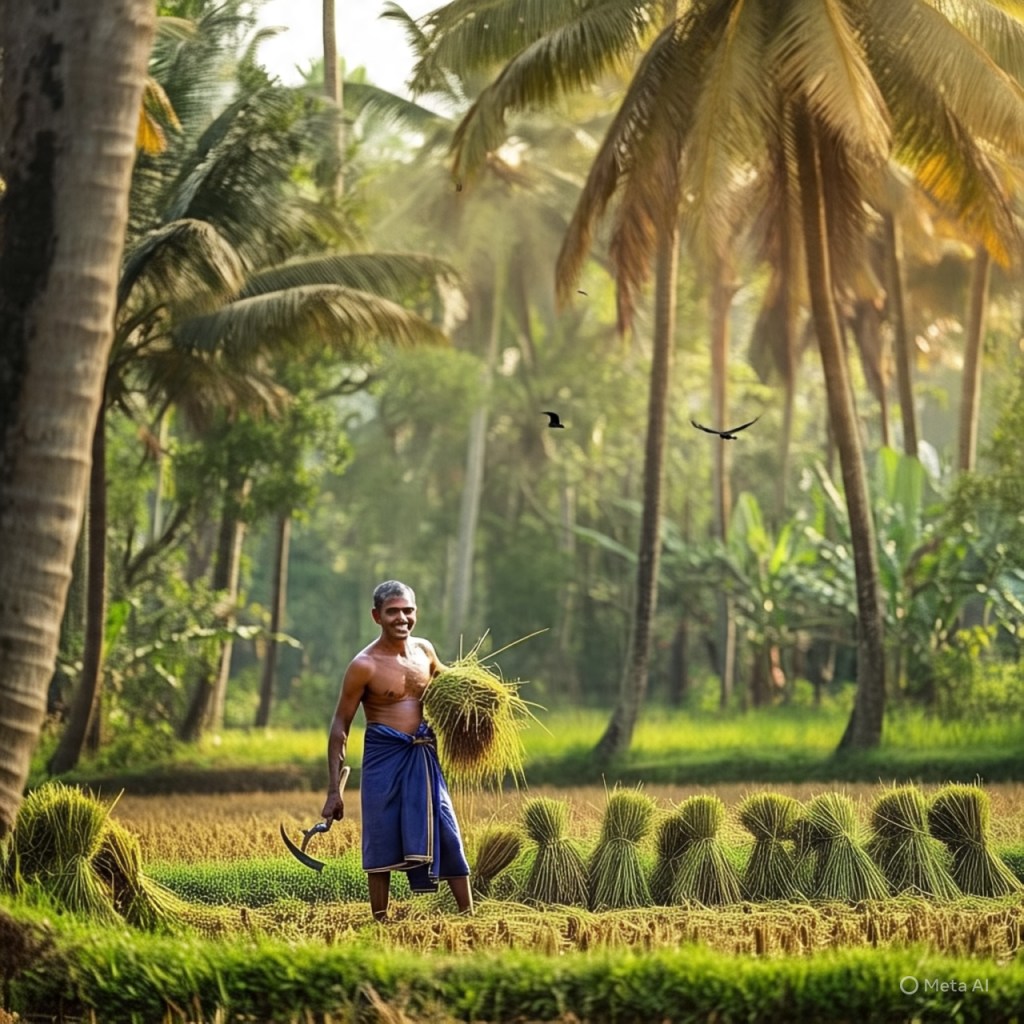
Nestled in the lush green folds of the Western Ghats, Wayanad is one of Kerala’s most scenic and agriculturally rich regions. While tourists are often enchanted by its waterfalls, wildlife sanctuaries, and spice trails, the true heart of Wayanad lies in its soil—and the hands that till it. The farmers of Wayanad form the backbone of the region’s culture, economy, and traditions.
This blog takes you on an immersive journey into a day in the life of a typical Wayanad farmer, offering a perspective that is deeply human, humble, and enlightening. If you’ve ever wondered what rural life is like in Kerala or considered experiencing farm tourism in Wayanad, this story is your gateway.
Early Morning: When the Day Begins with the Earth
The morning mist still lingers over the paddy fields as Manikandan, a second-generation farmer in Wayanad, begins his day. The clock shows 5:30 AM, and the air is cool, crisp, and filled with the soft calls of birds waking with the dawn.
After offering a brief prayer to the household deity, Manikandan heads out with a torchlight and sickle in hand. Like many farmers in Wayanad, he believes the early morning hours are the most productive—both for mind and muscle.
The first task of the day usually involves checking on the cattle, cleaning their sheds, and milking the cows. The fresh milk is then handed over to the local cooperative, which plays a crucial role in sustaining the rural economy in Wayanad.
Morning Hours: Sowing, Harvesting, or Plucking
By 7:00 AM, it’s time for the core farm activities to begin. Depending on the season, Manikandan could be:
- Sowing paddy seeds in his low-lying wetlands,
- Harvesting turmeric or ginger, which Wayanad is famous for, or
- Plucking coffee beans or pepper vines in his hillside plots.
Wayanad’s unique geography allows for the cultivation of multiple crops. The region is known for its diverse agricultural patterns, including rice, spices, coffee, bananas, and tubers.
The work is labor-intensive. Farmers often work barefoot in knee-deep mud or under the hot sun. Yet, there is a rhythmic harmony in their labor—an unspoken bond with nature that sustains them through every season.
Midday: Community and Meals Under the Shade
By 11:00 AM, the sun is at its peak, and it’s time for a break. In traditional style, Manikandan returns home or gathers with neighboring farmers under the shade of a jackfruit or mango tree. This is the time for food, rest, and conversation.
Meals are simple yet nutritious—often rice with sambar, curd, a vegetable side dish, and sometimes a piece of fish or egg curry. Everything is locally grown, organic, and seasonal.
The social aspect of this time is vital. Farmers exchange updates about weather, pests, market rates, or upcoming community events. It reflects the deep-rooted communal culture in rural Wayanad, where help is mutual and relationships run deep.
Afternoon: Maintenance, Markets, and Meetings
After lunch and a short rest, the farmer’s tasks shift slightly. The early afternoon is often reserved for:
- Repairing tools or irrigation systems,
- Weeding and pest control, especially for spice plantations,
- Sorting and packing harvested crops for sale.
Meanwhile, Manikandan may load his produce into a van or two-wheeler and head to the local market in Kalpetta or Sulthan Bathery, where middlemen, buyers, and sometimes tourists await.
Wayanad has seen a rise in organic farming cooperatives and eco-tourism initiatives in recent years. As a result, some farmers have started offering farm tours, homestays, or agri-based experiences for tourists, allowing them to learn traditional farming techniques and enjoy home-cooked Kerala meals.
Evening: Family, Faith, and Forecasting Tomorrow
As the sun begins to set over the emerald hills, Manikandan returns home to his family. He washes up, lights the evening lamp, and sits down with his children to check their homework or chat about the day.
Dinner is again modest and homegrown. Afterward, the family may gather to watch the local news, especially the weather forecast, which plays a critical role in planning the next day’s farm activities.
Before bed, he spends a few minutes in prayer, a practice that offers solace and strength, especially in a profession so deeply dependent on nature.
Challenges in the Life of a Wayanad Farmer
Although deeply rewarding, the life of a farmer in Wayanad is not without its challenges. Climate change has brought unpredictable rains, and pest attacks have become more frequent. In addition, falling market prices for crops like ginger and coffee have impacted their earnings.
Moreover, younger generations are moving to cities for more secure jobs, raising concerns about the future of agriculture in Wayanad.
However, initiatives like responsible tourism, organic farming networks, and government support programs are slowly empowering farmers to sustain their livelihoods and traditions.
Why Tourists Should Explore Farm Life in Wayanad
If you’re a traveler seeking authentic cultural experiences, visiting a working farm in Wayanad can be eye-opening. You’ll learn about traditional Kerala agriculture, taste freshly harvested produce, and witness the resilience and simplicity of rural life.
Many eco-resorts now offer day tours to nearby farms or even farm-stay experiences, where you can try your hand at sowing, cooking traditional meals, or even milking a cow. These sustainable tourism practices support local communities and create unforgettable travel memories.
Conclusion: A Day That Reflects a Way of Life
The life of a farmer in Wayanad is a compelling blend of tradition, toil, and tranquility. From the first light of dawn to the fading glow of dusk, every action is deeply connected to nature, family, and culture.
For visitors to Kerala, taking a day to observe or participate in rural life offers a deeper, more meaningful connection to the land. Beyond waterfalls and wildlife, it is the humble farmer’s lifestyle that teaches us to live with the land, rather than off it.
Wayanad’s farmers don’t just grow crops—they cultivate wisdom, patience, and harmony with the earth. And that, perhaps, is the greatest takeaway from their daily lives.
 Choose your right destination
Leave a comment