
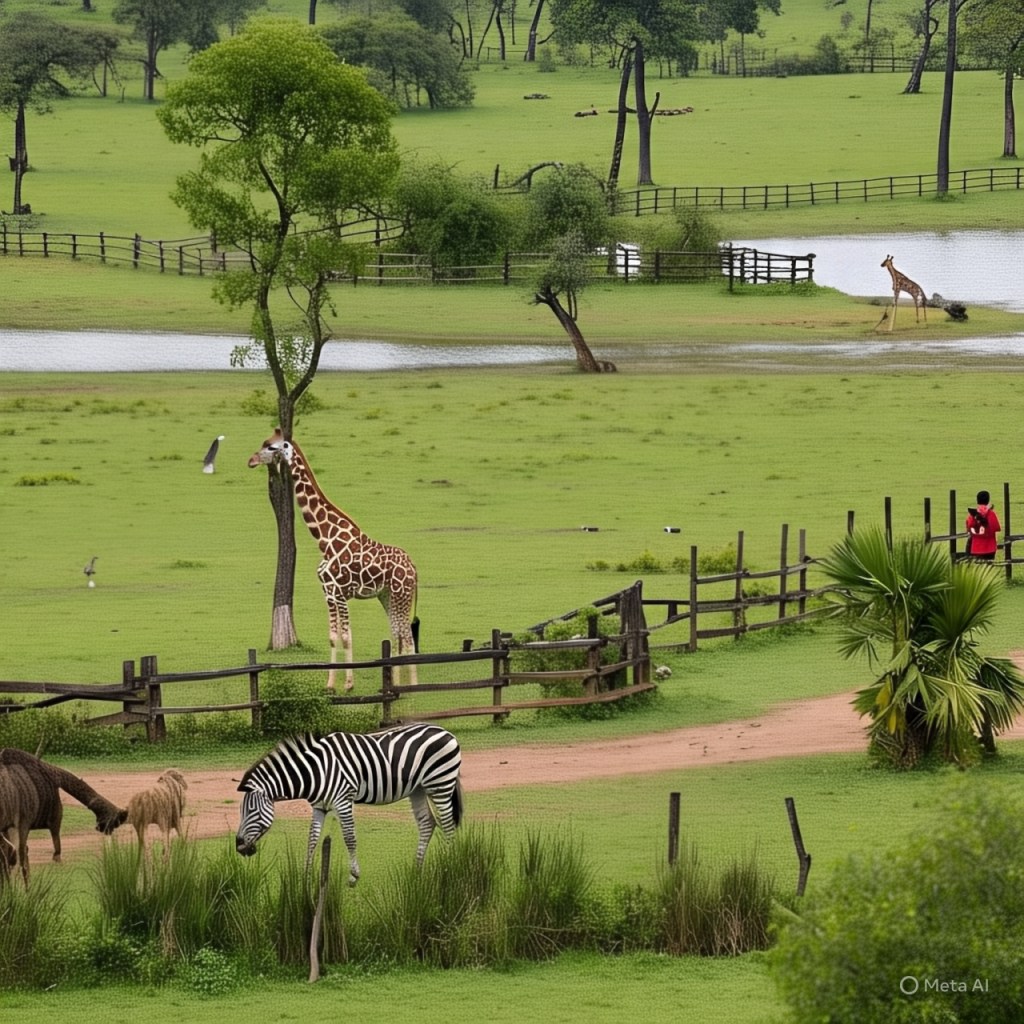
India, with its diverse ecosystems and rich biodiversity, is a paradise for wildlife enthusiasts. From the dense jungles of Madhya Pradesh to the mangrove forests of Sundarbans and the lush hills of the Western Ghats, the country boasts a variety of wildlife sanctuaries that serve as havens for countless species of animals, birds, and reptiles. Whether you’re a bird watcher, a big cat lover, or simply someone who enjoys nature in its raw form, India’s top wildlife sanctuaries offer an unforgettable experience.
In this blog, we’ll explore some of the best wildlife sanctuaries in India for animal lovers, complete with their unique features, species highlights, and travel tips.
1. Jim Corbett National Park, Uttarakhand
Established in 1936, Jim Corbett National Park is India’s first and most iconic national park. Nestled in the foothills of the Himalayas, this sanctuary is renowned for its thriving Bengal tiger population.
Highlights:
- Home to over 650 species of birds, 50 species of mammals, and 25 reptile species.
- Offers elephant rides, canter safaris, and jeep safaris.
- The Dhikala Zone is particularly popular for tiger sightings.
2. Ranthambore National Park, Rajasthan
Located near the town of Sawai Madhopur, Ranthambore National Park is one of the most famous tiger reserves in India. The park’s dramatic landscape, with ancient ruins and a hilltop fort, adds to its wild charm.
Highlights:
- Known for frequent tiger sightings, especially around water bodies.
- Home to leopards, sloth bears, marsh crocodiles, and over 270 bird species.
- Ranthambore Fort within the park is a UNESCO World Heritage Site.
3. Kaziranga National Park, Assam
A UNESCO World Heritage Site, Kaziranga National Park is world-famous for its population of the endangered one-horned rhinoceros. Spread across the floodplains of the Brahmaputra River, it’s one of India’s most biodiverse sanctuaries.
Highlights:
- Hosts over two-thirds of the world’s one-horned rhino population.
- Spot elephants, wild buffaloes, swamp deer, and gangetic dolphins.
- A paradise for bird watchers with more than 450 bird species.
4. Periyar Wildlife Sanctuary, Kerala
Situated in the lush hills of Thekkady, Periyar Wildlife Sanctuary is one of the best-known wildlife destinations in South India. Known for its scenic beauty and large population of Asiatic elephants, Periyar offers a tranquil experience for wildlife lovers.
Highlights:
- Explore wildlife via boat cruises on Periyar Lake.
- Home to elephants, gaur, wild boars, tigers, and Nilgiri langurs.
- Excellent for eco-tourism activities like bamboo rafting and nature walks.
5. Sundarbans National Park, West Bengal
The Sundarbans, a UNESCO World Heritage Site, is the world’s largest mangrove forest and one of the most mysterious and beautiful wildlife sanctuaries in India. It is the kingdom of the elusive Royal Bengal tiger, which has adapted to swimming in saline water.
Highlights:
- Navigate the dense waterways via boat safaris.
- Home to saltwater crocodiles, snakes, monitor lizards, and over 300 bird species.
- Rare chance to spot tigers that swim between islands.
6. Bandipur National Park, Karnataka
Located in the Western Ghats, Bandipur National Park is part of the Nilgiri Biosphere Reserve and a major tiger reserve in South India. With its undisturbed forest cover, it provides a safe haven for a variety of species.
Highlights:
- Known for frequent sightings of tigers, leopards, elephants, and gaur.
- Ideal for photography enthusiasts due to its open landscapes.
- Part of the Project Tiger initiative.
7. Gir National Park, Gujarat
Gir National Park is the only place in the world where you can see the Asiatic lion in the wild. Located in Gujarat, Gir is a conservation success story and an essential destination for big cat lovers.
Highlights:
- Home to over 600 Asiatic lions.
- Diverse ecosystem with hyenas, jackals, crocodiles, and over 300 bird species.
- Open year-round except during the monsoon (June–October).
Planning Your Visit: Practical Tips for Wildlife Enthusiasts
To get the most out of your wildlife adventure, keep these practical tips in mind:
- Best Time to Visit: Most parks are best visited between October and March. Avoid the monsoon season when many reserves are closed.
- Book Safaris in Advance: Popular parks like Ranthambore and Corbett often get fully booked during peak season.
- Respect the Ecosystem: Avoid plastic, don’t disturb the animals, and follow park guidelines strictly.
- Hire Certified Naturalists: Guides can enhance your experience with valuable insights and improved sighting chances.
Conclusion: Answering the Call of the Wild
India’s wildlife sanctuaries are more than just protected areas—they are living ecosystems where nature thrives in all its glory. Whether you’re tracking a tiger in Ranthambore, sailing through the Sundarbans, or watching elephants bathe in Periyar Lake, each sanctuary offers a unique window into the wonders of the wild.
So, grab your binoculars, pack your camera, and let the untamed beauty of India’s wildlife sanctuaries leave you inspired, awestruck, and deeply connected to nature.
 Choose your right destination
Leave a comment