
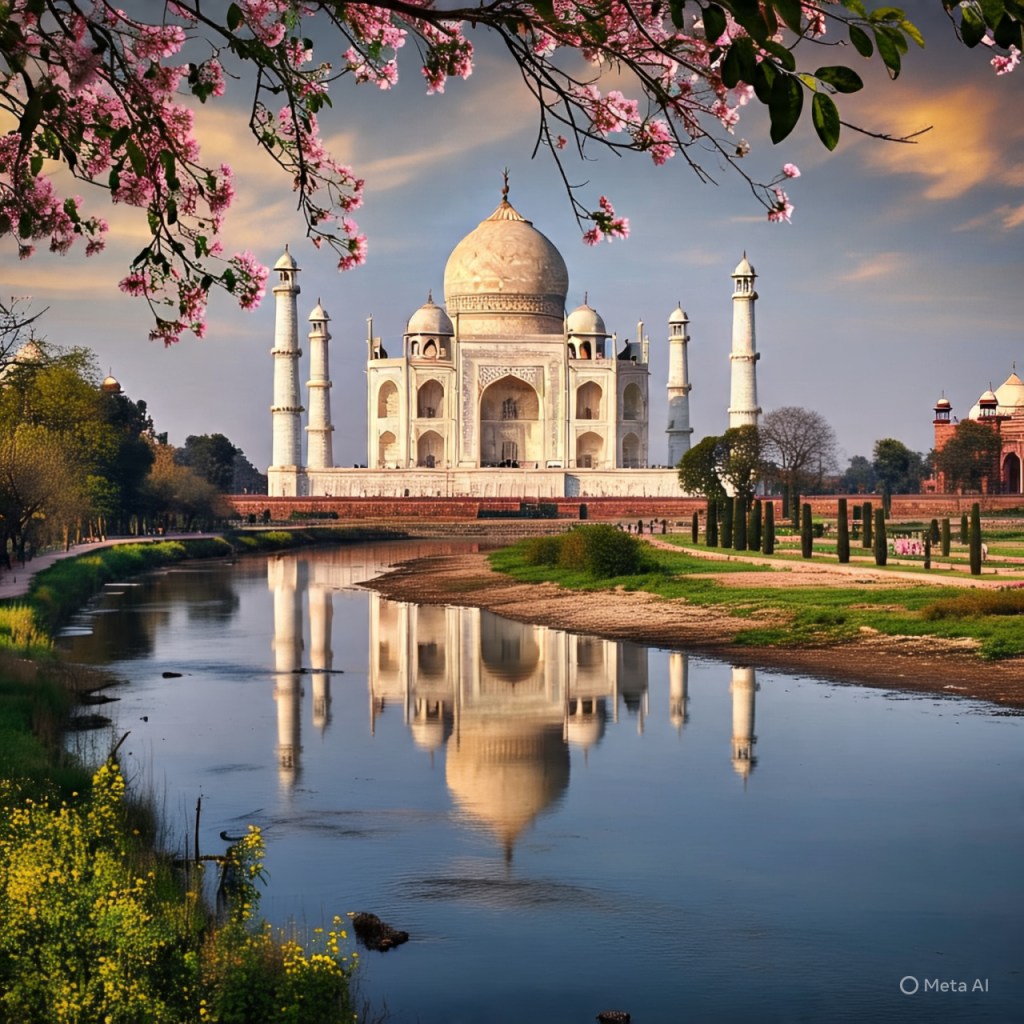
India, with its profound history and diverse culture, is home to an impressive array of UNESCO World Heritage Sites. From ancient temples and majestic forts to wildlife sanctuaries and breathtaking landscapes, these sites highlight the country’s architectural marvels, spiritual depth, and natural splendor. As of 2025, India proudly boasts 42 UNESCO World Heritage Sites, making it one of the top countries globally for heritage tourism.
In this blog, we’ll take you on a virtual tour of some of the most iconic and lesser-known UNESCO sites in India, giving you insights into what to see, why they matter, and how to plan your visit.
1. Taj Mahal – Agra, Uttar Pradesh
SEO Keywords: Taj Mahal Agra, UNESCO site in India, Seven Wonders of the World
Undoubtedly India’s most iconic landmark, the Taj Mahal is a symbol of eternal love. Built by Emperor Shah Jahan in memory of his beloved wife Mumtaz Mahal, this white marble mausoleum is a masterpiece of Mughal architecture.
Highlights:
- Intricate marble inlay work with semi-precious stones.
- Spectacular symmetry and garden layout.
- Glows differently during sunrise and sunset.
Things to Do:
- Visit during sunrise for fewer crowds and stunning views.
- Explore Agra Fort and Mehtab Bagh nearby.
- Enjoy local Mughlai cuisine in old Agra.
Transitional phrase: While the Taj Mahal often steals the spotlight, India’s heritage extends far beyond this monument.
2. Hampi – Karnataka
SEO Keywords: Hampi Karnataka, ancient ruins India, Vijayanagara Empire
Once the capital of the Vijayanagara Empire, Hampi is a sprawling site of temples, palaces, and marketplaces surrounded by surreal boulder-strewn landscapes. It’s a must-visit for history buffs and spiritual seekers alike.
Highlights:
- The iconic Vittala Temple with its stone chariot.
- Stunning Virupaksha Temple, still in worship.
- Ancient bazaar streets and royal enclosures.
Things to Do:
- Rent a bicycle or scooter to explore the ruins.
- Climb Matanga Hill for panoramic sunrise views.
- Enjoy coracle rides on the Tungabhadra River.
Transitional phrase: Heading further south, you’ll find coastal wonders with equally compelling heritage status.
3. Group of Monuments at Mahabalipuram – Tamil Nadu
SEO Keywords: Mahabalipuram temples, rock-cut architecture India, Tamil Nadu heritage sites
Located along the Bay of Bengal, Mahabalipuram (also called Mamallapuram) features monolithic rock-cut temples, sculptures, and bas-reliefs dating back to the 7th century.
Highlights:
- The famed Shore Temple overlooking the sea.
- Descent of the Ganges—world’s largest open-air rock relief.
- Intricately carved Pancha Rathas.
Things to Do:
- Walk along the beach at sunrise.
- Try fresh seafood at beachside shacks.
- Shop for stone sculptures and handicrafts.
Transitional phrase: For those who enjoy blending nature with heritage, India’s UNESCO list offers several such treats.
4. Kaziranga National Park – Assam
Home to the largest population of the one-horned rhinoceros, Kaziranga is a natural UNESCO World Heritage Site and a haven for wildlife enthusiasts.
Highlights:
- Spotting tigers, elephants, and wild buffalo.
- Lush grasslands and riverine ecosystems.
- Recognized for its high biodiversity and conservation success.
Things to Do:
- Take an early morning jeep or elephant safari.
- Visit the nearby tea gardens in Jorhat.
- Enjoy Assamese cuisine in eco-resorts.
5. Great Himalayan National Park – Himachal Pradesh
Spanning over 1,000 square kilometers, the Great Himalayan National Park is a treasure trove of alpine flora and fauna. Designated a UNESCO site for its unique biodiversity, it’s perfect for eco-tourism and trekking.
Highlights:
- Remote villages and traditional Himachali culture.
- Rare species like the snow leopard and Himalayan brown bear.
- Unspoiled landscapes and high-altitude meadows.
Things to Do:
- Go on multi-day treks like the Tirthan Valley trail.
- Spot endemic wildlife with local guides.
- Camp under the clear Himalayan skies.
6. Western Ghats – Kerala
The Western Ghats, one of the world’s eight “hottest hotspots” of biological diversity, span across multiple states, with Kerala offering some of the most accessible and scenic areas like Wayanad, Silent Valley, and Periyar Tiger Reserve.
Highlights:
- Dense forests and waterfalls.
- Numerous endemic plant and animal species.
- Interactions with tribal communities and spice plantations.
Things to Do:
- Explore Periyar Wildlife Sanctuary on a boat safari.
- Visit tea and spice estates in Munnar.
- Enjoy eco-lodging and Ayurveda treatments.
7. Historic City of Ahmedabad – Gujarat
Declared India’s first World Heritage City, Ahmedabad is a bustling metropolis that seamlessly blends Sultanate-era architecture, Jain temples, and modern urban planning.
Highlights:
- Intricate Pol houses (historic residential clusters).
- The majestic Jama Masjid and Sidi Saiyyed Mosque.
- Gandhi Ashram on the banks of Sabarmati River.
Things to Do:
- Take a heritage walk through the old city.
- Shop at Manek Chowk for textiles and street food.
- Visit Calico Museum of Textiles, one of India’s best.
8. Ellora and Ajanta Caves – Maharashtra
The Ellora and Ajanta Caves are timeless testimonies to India’s ancient spiritual and artistic brilliance. Carved out of solid rock between 2nd century BCE and 6th century CE, these sites are a confluence of Buddhist, Hindu, and Jain philosophies.
Highlights:
- Kailasa Temple at Ellora—largest rock-cut temple in the world.
- Ajanta’s Buddhist murals and frescoes.
- Spiritual tranquility amidst ancient artistry.
Things to Do:
- Hire a local guide to understand the symbolism.
- Visit during cooler months for comfort.
- Explore Aurangabad city for local flavors and shopping.
Conclusion: India’s Heritage Awaits Your Footsteps
India’s UNESCO World Heritage Sites are more than just tourist attractions—they are windows into the soul of a civilization that has evolved over millennia. From spiritual sanctuaries and ancient cities to natural biospheres and royal palaces, these sites encapsulate the diversity, resilience, and richness of Indian heritage.
Whether you’re a history lover, a spiritual traveler, a nature enthusiast, or simply a curious explorer, these destinations promise unforgettable journeys and deep cultural immersion.
 Choose your right destination
Leave a comment