
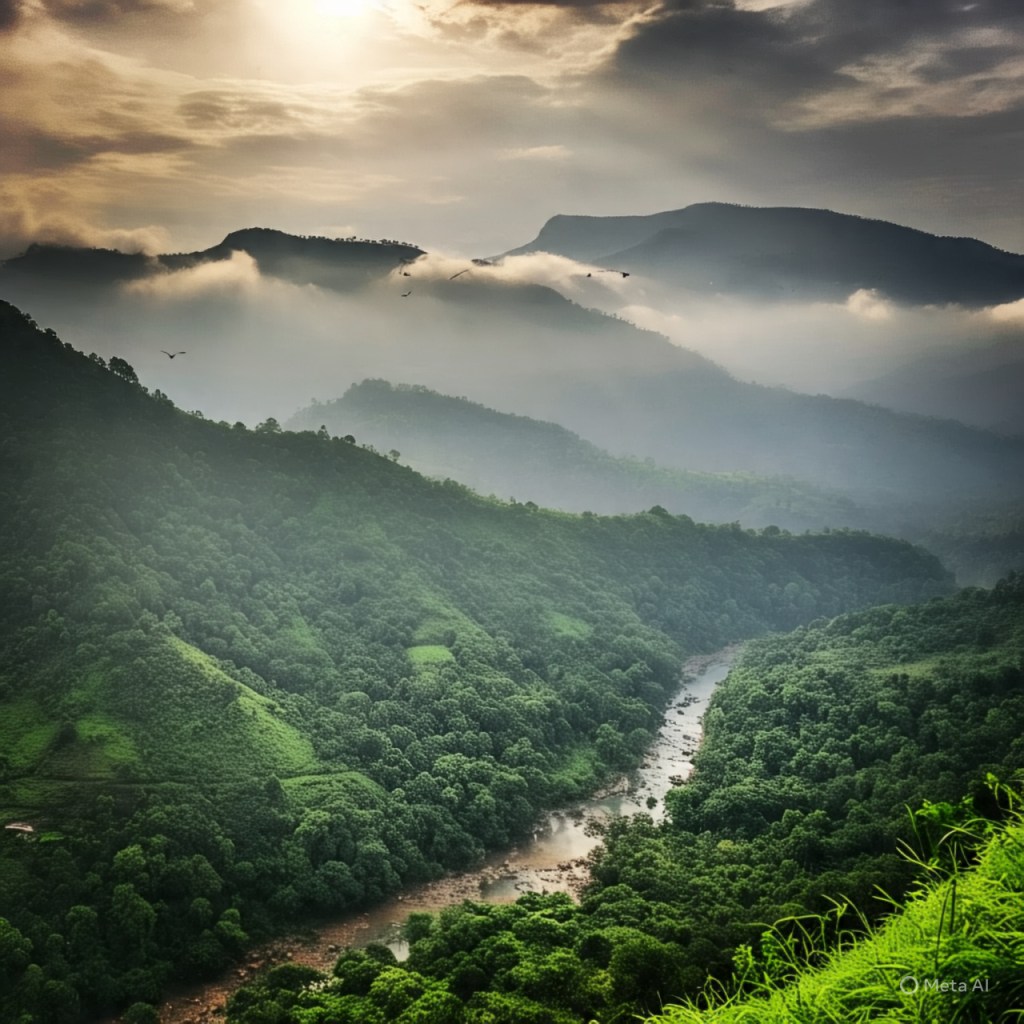
India is blessed with dramatic landscapes. Among the most scenic and culturally rich are the Western Ghats and Eastern Ghats. These two ancient mountain ranges not only shape the geography of South India but also offer unforgettable travel experiences.
For those who love nature, heritage, and adventure, exploring the Ghats is a must. Here’s your complete travel guide to the Western and Eastern Ghats—what makes them unique, what to do, where to go, and why tourists should experience both.
What Are the Ghats?
Let’s begin with the basics.
The Western Ghats stretch along India’s western coast, from Gujarat to Kerala. Lush, green, and UNESCO-listed, they are rich in biodiversity. On the other hand, the Eastern Ghats run along the eastern coast, across Odisha, Andhra Pradesh, Tamil Nadu, and parts of Karnataka.
Though older and more eroded, the Eastern Ghats are equally stunning and far less commercial. That makes them perfect for offbeat travel lovers.
Western Ghats: Green Hills and Spice Trails
The Western Ghats are better known to tourists. Here, the mountains are alive with misty mornings, dense forests, tea plantations, and hill stations.
Highlights of the Western Ghats
- Munnar (Kerala): One of the most popular hill stations in South India. Ideal for tea garden walks, wildlife tours, and staying in eco-resorts.
- Wayanad (Kerala): Famous for its waterfalls, caves, and spice plantations. A perfect nature escape.
- Coorg (Karnataka): Also known as the Scotland of India. Great for coffee lovers, nature trails, and cultural homestays.
- Agumbe (Karnataka): A small rainforest village and the best spot to experience monsoons.
- Mahabaleshwar (Maharashtra): Known for strawberries, viewpoints, and colonial charm.
Things to Do
- Trekking in the Western Ghats is a dream. Try the Meesapulimala trek in Kerala or the Tadiandamol trek in Coorg.
- Go birdwatching in Silent Valley or Periyar Wildlife Sanctuary.
- Visit tribal villages and learn about native cultures.
- Enjoy Ayurvedic massages in peaceful forest retreats.
Travel Tip
The best time to visit is from October to March. The air is cool, the skies are clear, and the views are unforgettable.
Eastern Ghats: Untouched Beauty and Spiritual Vibes
The Eastern Ghats are less talked about but deeply rewarding. Unlike the lush forests of the West, these mountains hold ancient temples, tribal cultures, and serene landscapes.
Highlights of the Eastern Ghats
- Araku Valley (Andhra Pradesh): A peaceful, green valley surrounded by waterfalls, caves, and coffee plantations.
- Similipal (Odisha): A tiger reserve and biodiversity hotspot. Ideal for wildlife and nature tourism.
- Yelagiri (Tamil Nadu): A quiet hill town perfect for family vacations and budget travelers.
- Lambasingi (Andhra Pradesh): The “Kashmir of Andhra” where you can even witness frost in winter.
- Horsley Hills (Andhra Pradesh): A charming retreat known for eucalyptus forests and cool breezes.
Things to Do
- Ride the scenic train from Vizag to Araku for unmatched valley views.
- Explore Borra Caves, some of the oldest in India.
- Visit ancient temples tucked in the hills, like Jambukaranyam or Mahendragiri.
- Enjoy tribal dances, markets, and unique local cuisines.
Travel Tip
The best time to explore is between November and February, when the weather is pleasant and green valleys shine under winter sunlight.
🌿 Western vs Eastern Ghats: Which Should You Choose?
Accessibility
- Western Ghats are more connected with better infrastructure. Perfect for first-time travelers.
- Eastern Ghats are a bit remote. But if you seek offbeat destinations, they are worth the extra effort.
Culture
- Western Ghats offer a mix of modern and tribal life, especially in Kerala and Karnataka.
- Eastern Ghats are home to some of India’s oldest tribal communities and ancient pilgrimage sites.
Climate
- Western Ghats have a wet tropical climate with high rainfall.
- Eastern Ghats are drier but have cooler spots like Lambasingi and Araku.
Adventure
- Western Ghats are better for trekking, waterfall visits, and eco-tourism.
- Eastern Ghats offer cave exploration, rural trekking, and unique road trips.
🧘 Tourist Experiences: What to Expect
No matter which Ghats you visit, a few experiences are common:
- Peace and silence unlike the chaos of the city.
- Clean air and green views everywhere you look.
- Friendly locals offering you tea, stories, or a place to rest.
- Roads that twist and turn through forests, valleys, and clouds.
- Moments where you stop and just breathe in the beauty.
Whether you choose a luxurious mountain resort or a simple homestay, you’ll feel deeply connected to the land.
What to Carry Home
Don’t forget to pick up local items:
- From the Western Ghats: Tea, coffee, essential oils, spices, handmade soaps.
- From the Eastern Ghats: Tribal jewelry, organic honey, bamboo crafts, traditional textiles.
Supporting local artisans is a wonderful way to keep your trip sustainable.
Travel Tips to Make Your Ghats Journey Better
- Start early to enjoy sunrises from hilltops.
- Respect nature: Don’t litter, and follow eco-tourism guidelines.
- Carry light woolens, even in summer—it gets chilly at night.
- Travel by train or bike where possible. The routes through the Ghats are scenic and memorable.
- Carry cash and offline maps in remote areas.
Final Word: Why You Should Explore Both Ghats
In the end, there’s no need to choose between the Western and Eastern Ghats. Each has its own charm.
The Western Ghats are perfect for those seeking comfort, greenery, and eco-luxury. The Eastern Ghats, on the other hand, invite you into a raw, soulful world full of local culture, remote trails, and unexplored beauty.
Whichever you choose first, just make sure to visit both in your lifetime. Let your journey through the Ghats be a journey through India’s hidden wonders.
 Choose your right destination
Leave a comment