
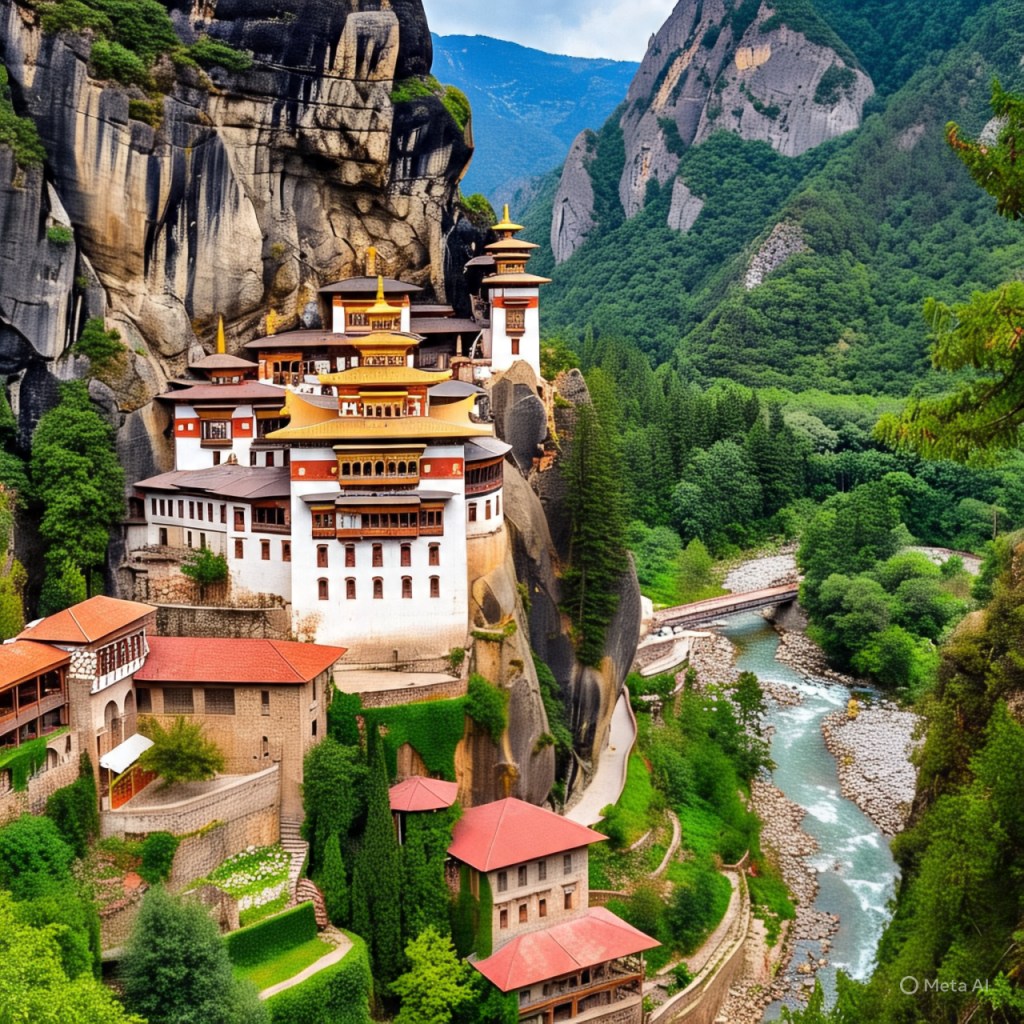
India’s landscape is rich with spiritual heritage, and nowhere is that more visible than in its Buddhist monasteries. From the high Himalayas to the lush Western Ghats, these monasteries not only serve as centers of worship but also as living repositories of culture, art, and history. If you plan to visit Buddhist monasteries in India, this guide will help you explore some of the top monasteries and uncover the fascinating stories behind them.
1. Tawang Monastery, Arunachal Pradesh
Location: Tawang, Arunachal Pradesh
Tawang Monastery is often called the “Jewel of the Himalayas”. Perched at an altitude of over 10,000 feet, it is the largest monastery in India and the second largest in the world. Established in 1681 by the 5th Dalai Lama, the monastery has witnessed centuries of political and spiritual history.
Key Highlights:
- It houses a 7-story Golden Stupa, which contains sacred relics of the Buddha.
- The annual Torgya Festival celebrates the triumph of good over evil with traditional dances and prayer rituals.
- Transitional Insight: Because of its remote location, Tawang offers not just spiritual solace but also breathtaking views of snow-capped peaks.
Accordingly, Tawang Monastery attracts pilgrims and travelers alike. The story goes that the site was chosen after a vision by Mera Lama, who predicted flooding in another location. Therefore, the location’s spiritual significance stems from both legend and serene surroundings.
2. Rumtek Monastery, Sikkim
Location: Rumtek, near Gangtok, Sikkim
Rumtek Monastery, also known as the Dharmachakra Centre, stands as the main seat of the Karma Kagyu lineage of Tibetan Buddhism in India. After the Chinese invasion of Tibet in 1959, the 16th Karmapa re-established Rumtek Monastery on this site.
Key Highlights:
- The monastery’s golden stupa contains relics of the 16th Karmapa.
- Annual events like Losar (Tibetan New Year) and the Kagyu Monlam Prayer Festival draw thousands of devotees.
- Transitional Note: In addition to its religious role, Rumtek is renowned for its traditional Tibetan Buddhist architecture and vibrant prayer wheels.
Rumtek’s story is one of resilience—a community preserved in exile. Consequently, the monastery serves as both a spiritual haven and a cultural bridge between Tibet and India.
3. Hemis Monastery, Ladakh
Location: Hemis, Ladakh, Jammu & Kashmir
Situated in the Ladakh region, Hemis Monastery holds the title of the wealthiest monastery in Ladakh. Founded in 1630 by Stagsang Raspa, it belongs to the Drukpa Kagyu order.
Key Highlights:
- The annual Hemis Tsechu Festival celebrates Guru Padmasambhava with elaborate masked dances.
- Its museum houses rare thangkas (Tibetan paintings) and ancient manuscripts.
- Transitional Phrase: While many Ladakh travelers focus on Pangong Lake, those who venture to Hemis discover a rich religious tapestry and a sense of timeless tradition.
Legend has it that Guru Padmasambhava himself blessed the site. Therefore, Hemis Monastery remains a focal point for both history buffs and spiritual seekers. Moreover, its remote mountain setting provides ample opportunities for photography and quiet reflection.
4. Thiksey Monastery, Ladakh
Location: Thiksey, near Leh, Ladakh
Often referred to as the “Mini Potala Palace”, Thiksey Monastery stands on a hilltop overlooking the Indus Valley. Established in the 15th century, it belongs to the Gelugpa order and follows teachings similar to those at the Dalai Lama’s monastery in Lhasa.
Key Highlights:
- The large Maitreya (future Buddha) statue in the main prayer hall is one of the tallest in Ladakh.
- The monastery complex includes a school, guesthouse, and several temples, all connected via winding staircases.
- Transitional Observation: Because Thiksey’s layout resembles that of the Potala in Tibet, many pilgrims feel a deep symbolic connection to Lhasa while visiting here.
Thiksey’s story is enriched by its role as a center for education—even today, young monks study philosophy, debate, and Buddhist scriptures. Consequently, it draws not only tourists but also scholars eager to understand Tibetan Buddhist traditions.
5. Sera Monastery, Karnataka
Location: Bylakuppe, near Kushalnagar, Karnataka
Sera Monastery is one of the three great Gelugpa university monasteries of Tibet, re-established in India after the 1959 Tibetan uprising. Located in the Tibetan refugee settlement of Bylakuppe, it has become a major center for monastic education and daily debate.
Key Highlights:
- Monk debates are held every afternoon, where young monks engage in lively discussions on Buddhist philosophy.
- The monastery’s college educates hundreds of monks in logic, metaphysics, and sutra studies.
- Transitional Insight: In addition to its spiritual activities, Sera Monastery offers visitors a glimpse into the vibrant lives of Tibetan refugees adapting to a new homeland.
Because debates are central to its learning, Sera has maintained a unique blend of ritual and intellectual practice. Therefore, tourists often time their visits to witness these debates, gaining insight into Tibetan monastic life.
6. Namdroling Monastery, Karnataka
Location: Bylakuppe, near Mysore, Karnataka
Also known as the Golden Temple, Namdroling Monastery is the largest teaching center of the Nyingma lineage of Tibetan Buddhism in the world. It was founded in 1963 by the 16th Karmapa and the 12th Gyalwang Drukpa to preserve the ancient Tibetan Buddhist traditions that were threatened by the Chinese occupation.
Key Highlights:
- Lavishly decorated temples with golden statues of Guru Rinpoche and Buddha.
- Regular prayer sessions and teaching programs open to visitors.
- Transitional Note: Moreover, the monastery’s sprawling campus includes guest houses where visitors can stay and participate in daily rituals.
As the story goes, Namdroling grew from a small community of 300 monks and nuns to over 5,000. Consequently, it has become not only a spiritual retreat but also a vibrant cultural center, complete with schools, workshops, and cultural festivals.
7. Enchey Monastery, Sikkim
Location: Gangtok, Sikkim
Enchey Monastery, set atop a hill in Sikkim’s capital, Gangtok, offers panoramic views of the city and the Kanchenjunga range. Established in 1909, it belongs to the Nyingma order and is famous for its mystical atmosphere during the annual Chaam dance festival.
Key Highlights:
- Colorful wall paintings and statues dedicated to protector deities.
- Annual Cham dance in December–January that attracts locals and tourists alike.
- Transitional Observation: Because of its central location, Enchey is a convenient stop for travelers arriving from Bagdogra Airport or traveling to other parts of Sikkim.
Enchey’s origin legend involves a sermon by Guru Padmasambhava at this very site. Therefore, devotees believe the monastery’s sacred energy helps ward off evil spirits.
8. Pemayangtse Monastery, Sikkim
Location: Pelling, Sikkim
Pemayangtse Monastery is one of the oldest and most important monasteries in Sikkim. Built in 1705 by Lama Lhatsun Chempo, it belongs to the Nyingma order and stands as a testament to Sikkim’s rich personical history.
Key Highlights:
- Intricate wood carvings and thangkas (Tibetan scroll paintings).
- A lineage throne hall dedicated to previous incarnations of Padmasambhava.
- Transitional Tip: In addition to its religious significance, Pemayangtse offers easily accessible viewpoints to spot the Kanchenjunga peaks.
Legend says that Guru Padmasambhava himself blessed this site, making the monastery a magnet for pilgrims seeking spiritual blessings and panoramic vistas.
Tips for Visiting Monasteries in India
- Respect the Dress Code: Most monasteries require modest attire—cover shoulders and knees, and remove shoes before entering prayer halls.
- Observe Photography Rules: In many monasteries, photography inside the inner sanctums is prohibited. Therefore, always ask for permission before clicking.
- Time Your Visit: Festivals and prayer times offer the richest experiences. For instance, attending a Tibetan prayer session at Namdroling or the Cham dance at Enchey can deepen your understanding.
- Support Local Communities: Buy handmade crafts or donate to monastery charities. In turn, monks and nuns can continue preserving ancient traditions.
Final Thoughts
India’s monasteries are not just stone and mortar; they are living stories of resilience, adaptation, and eternal faith. From the snow-gilded peaks of Tawang to the lush hills of Sikkim and Karnataka, each monastery brings a unique narrative—a vessel of ritual, art, and learning. These spiritual centers welcome not only pilgrims but also travelers seeking a different side of India.
Whether you are planning a dedicated Buddhist pilgrimage or simply want to explore India’s spiritual heritage, these monasteries stand as beacons of tranquility and wisdom. By visiting them, you don’t just witness architecture; you engage with centuries-old traditions that continue to shape lives today.
 Choose your right destination
Leave a comment