
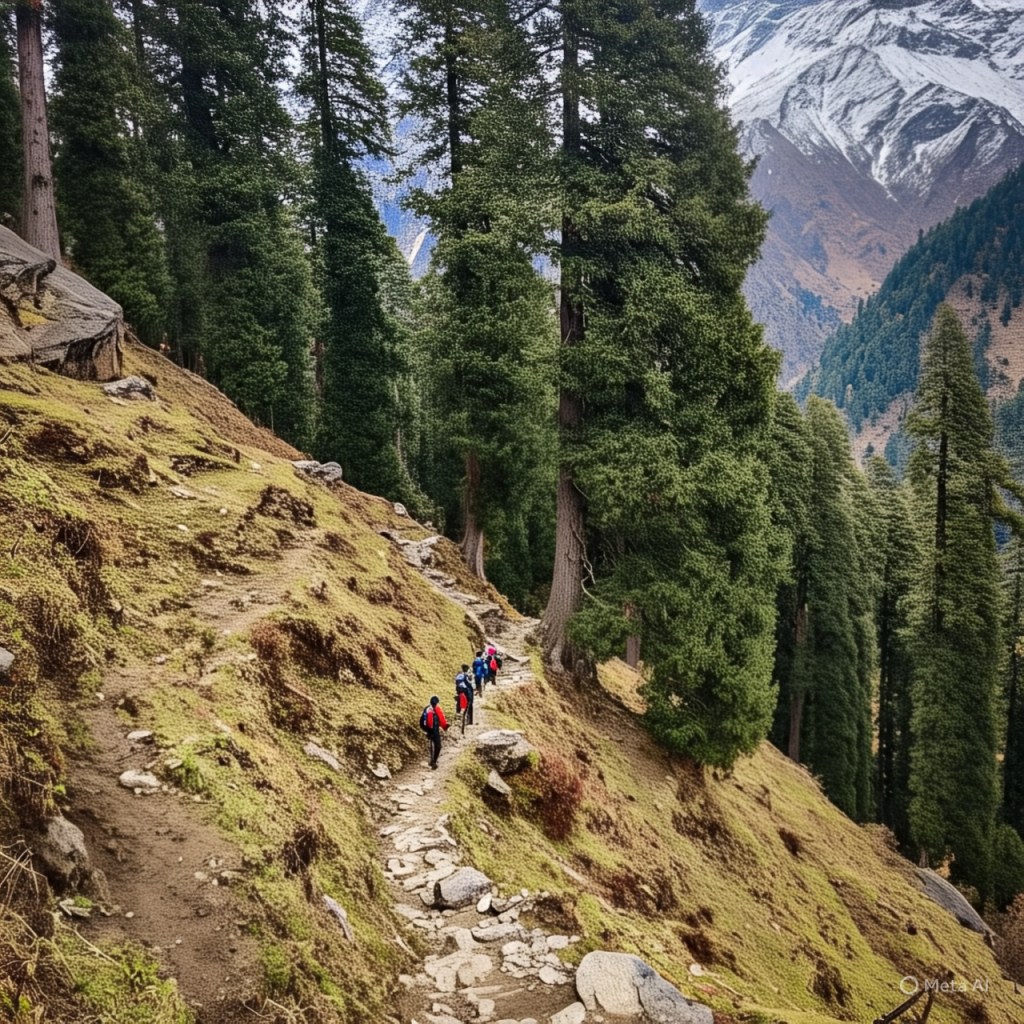
The Himalayas offer a world of adventure. Whether you are new to trekking or a seasoned trekker, these mountains have something for everyone. From gentle paths through green valleys to high-altitude passes above the snowline, the Himalayan trekking routes span a wide range of difficulty levels and landscapes. In this guide, we will explore beginner treks in the Himalayas, intermediate routes, and advanced, pro-level expeditions—all while using clear keywords and transitional words to enhance readability and SEO.
Why Trek the Himalayas?
The Himalayas are often called the “Roof of the World.” With peaks that reach well over 8,000 meters, they form a natural barrier between the Indian subcontinent and the Tibetan plateau. Consequently, these mountains have profound cultural, spiritual, and ecological significance. Additionally, the Himalayan trekking experience reveals hidden valleys, ancient monasteries, and remote communities. Therefore, anyone who loves nature, adventure, and self-discovery should consider a trek in the Himalayas.
Essential Gear for Himalayan Treks
Before diving into specific routes, it’s important to assemble your trekking gear. Proper equipment can make or break your trip.
- Backpack (40–60L): A durable, water-resistant pack with padded straps.
- Hiking Boots: Sturdy, waterproof boots with ankle support.
- Clothing Layers:
- Base Layer: Moisture-wicking shirts and thermal underwear.
- Mid Layer: Fleece jackets and down vests.
- Outer Layer: Waterproof shell jacket and pants.
- Sleeping Bag: Rated to at least –10°C for comfort in high-altitude camps.
- Trekking Poles: Help with balance and reduce strain on knees.
- Headlamp & Batteries: For early starts and evening chores at camps.
- First Aid Kit: Include altitude sickness medication, bandages, painkillers, and blister care.
- Sunglasses & Sunscreen: The Himalayan sun is strong, and UV rays intensify at higher elevations.
- Water Purification: Filters, purification tablets, or UV pen for safe drinking water.
- Snacks & Energy Bars: High-calorie items to keep you fueled throughout long days.
Additionally, always check weather forecasts and local conditions before you start. In the Himalayas, weather can change rapidly and dramatically.
Beginner Treks in the Himalayas
For first-time trekkers, it’s best to start with shorter, lower-altitude routes. These easy Himalayan treks help you adapt to mountain walking without extreme acclimatization or technical challenges.
1. Triund Trek, Himachal Pradesh
- Elevation Gain: 2,828m to 2,875m
- Duration: 2–3 days
- Highlights: Stunning views of Dhauladhar range, green meadows, and McLeod Ganj
- Difficulty: Easy to Moderate
Triund is perfect for beginners because it involves a gentle climb through oak forests and alpine meadows. Moreover, there is no risk of altitude sickness beyond what most hikers can handle comfortably. Additionally, local guesthouses at McLeod Ganj and Bhagsu Village provide easy access to food and lodging.
2. Valley of Flowers, Uttarakhand
- Elevation Gain: 2,565m to 3,858m
- Duration: 5–7 days
- Highlights: Azure-blue meadows filled with rare alpine flowers, Nanda Devi views, and pristine river crossings
- Difficulty: Moderate
The Valley of Flowers trek combines natural beauty with manageable terrain. Consequently, you’ll find well-marked paths and local porters. Furthermore, the route passes through charming villages like Ghangaria, where trekkers can rest before heading into the national park.
3. Nag Tibba Trek, Uttarakhand
- Elevation Gain: 1,941m to 3,022m
- Duration: 2–3 days
- Highlights: 360-degree views of the greater Himalayas, including Gangotri, Kedarnath, and Yamunotri ranges
- Difficulty: Easy
Nag Tibba is an excellent beginner-friendly Himalayan trek because the climb is steady and the trail is clear. Moreover, local guides are readily available, and villages along the way offer homestay options for authentic cultural experiences.
Intermediate Himalayan Routes
Once you’ve mastered the easier treks, you can graduate to intermediate Himalayan trekking routes. These journeys often involve higher altitudes, longer distances, and more remote locations, but they remain accessible to fit hikers with good fitness levels.
1. Roopkund Trek, Uttarakhand
- Elevation Gain: 1,498m to 5,029m
- Duration: 10–12 days
- Highlights: The mysterious Roopkund (Skeleton Lake), bed of wildflowers, lush forests, and alpine meadows
- Difficulty: Moderate to Challenging
Roopkund is famous for its high-altitude glacial lake containing ancient human skeletons. Consequently, trekkers need to be mindful of altitude sickness. Nevertheless, proper acclimatization stops at places like Didna and Ali Bugyal make it feasible for fit hikers.
2. Hampta Pass Trek, Himachal Pradesh
- Elevation Gain: 3,235m to 4,270m
- Duration: 6–8 days
- Highlights: Transition from lush green mountains of Kullu to the stark desert of Lahaul, including Chandratal Lake
- Difficulty: Moderate
The Hampta Pass trek offers a dramatic change in scenery. In addition, the route crosses meadows like Jobra and the dexterous pass itself. Consequently, trekkers must keep an eye on trail markers, especially near the pass where multiple streams converge.
3. Sandakphu Trek, West Bengal
- Elevation Gain: 3,636m to 3,636m (highest point)
- Duration: 5–7 days
- Highlights: Panoramic views of Everest, Kangchenjunga, Lhotse, and Makalu; charming Sherpa villages
- Difficulty: Moderate
This trek is unique because it traverses both Indian and Nepalese landscapes while offering spectacular Himalayan views. Moreover, local lodges ensure comfortable stays, and the mild climbs make it suitable for many hikers who’ve already done basic treks.
Advanced & Pro-Level Himalayan Expeditions
For seasoned trekkers looking for a challenge, the Himalayas offer pro-level routes that feature high-altitude camps, glaciers, and technical sections. These treks demand excellent fitness, strong willpower, and high-altitude experience.
1. Chadar Trek (Frozen Zanskar River), Ladakh
- Elevation Gain: 3,380m to 4,150m
- Duration: 8–9 days
- Highlights: Trekkers walk on a frozen river, ice formations, remote settlements (e.g., Shingra Koma)
- Difficulty: Extremely Challenging
Chadar Trek is one of the most infamous and difficult Himalayan treks. In fact, negative temperatures can drop below –20°C. Consequently, prior experience in cold-weather trekking is mandatory. Moreover, due to environmental concerns, permits and guides are strictly regulated by local authorities.
2. Kanchenjunga Base Camp Trek, Sikkim
- Elevation Gain: 1,800m to 5,143m
- Duration: 20–24 days
- Highlights: Breathtaking views of Mount Kanchenjunga, isolated Zemu Glacier, lush rhododendron forests
- Difficulty: Extremely Permanent
The Kanchenjunga Base Camp trek is a test of endurance. Trekkers must cross high passes like Mirgin La and Bramachari La, which sit above 5,000 meters. Moreover, long stretches of remote terrain mean that help is far away—only highly experienced trekkers should attempt this route.
3. Everest Base Camp (EBC), Nepal Side
- Elevation Gain: 2,860m to 5,364m
- Duration: 12–15 days
- Highlights: Namche Bazaar, Tengboche Monastery, Kala Patthar sunrise view, Everest summit views
- Difficulty: Very Challenging
Though technically in Nepal, the EBC trek remains on many Indian trekker’s bucket lists. Exposure to extreme altitudes, unpredictable weather, and long days on the trail make this an expedition for pro Himalayan trekkers only. Nonetheless, once you complete EBC, you earn one of the world’s most prestigious high-altitude badges.
Acclimatization and Safety Tips
No matter which trek you choose, safety and acclimatization are critical in the Himalayas.
- Gradual Ascent: Gain no more than 300–500 meters per day once above 3,000 meters.
- Rest Days: Build in rest days every 3–4 days at a mid-elevation camp.
- Hydration: Drink at least 3–4 liters of water per day to reduce altitude sickness risk.
- Altitude Sickness Medication: Carry Diamox and consult a doctor before departure.
- Local Guides & Porters: Hire experienced local guides for both navigation and cultural insight.
- Emergency Evac: Carry a satellite phone or register with an organization that provides rescue services if needed.
Furthermore, always keep an eye on weather updates. In addition, trek only during recommended seasons—generally May to June and September to October for most routes.
Packing and Checklist
Below is a concise checklist to help with your packing:
- Clothing:
- Moisture-wicking base layers
- Insulated mid-layers (fleece and down jacket)
- Waterproof outer shell (jacket and pants)
- Warm hat, gloves, and neck gaiter
- Footwear:
- Waterproof hiking boots
- Trekking socks (wool blends)
- Gaiters for snow or muck
- Gear:
- 40–60L backpack
- Sleeping bag (rated to –10°C)
- Trekking poles
- Headlamp and extra batteries
- Sunglasses and sunscreen (SPF 50+)
- Health & Safety:
- First aid kit (bandages, blister care, painkillers)
- Altitude sickness meds (Diamox)
- Water purification (tablets or filter)
- High-calorie snacks (nuts, energy bars, chocolate)
- Documents:
- Permits and ID proofs (required for many Himalayan treks)
- Travel insurance with high-altitude coverage
- Emergency contact list and route maps
Final Thoughts
Trekking the Himalayas offers an unforgettable blend of natural beauty, cultural immersion, and personal challenge. From beginner treks like Triund and Nag Tibba to pro-level routes like the Chadar Trek and Kanchenjunga Base Camp, there is a Himalayan journey suited to every skill level. By preparing properly, respecting local customs, and prioritizing acclimatization, you can ensure a safe and enriching experience.
Moreover, each trek brings its own unique **stories—whether you’re walking past remote mountain villages, discovering ancient Buddhist monasteries, or camping under star-studded Himalayan skies. Ultimately, the Himalayan trekking routes will test your limits, expand your horizons, and reward you with memories to last a lifetime.
So lace up your boots, pack your backpack, and set forth on a Himalayan trek that matches your expertise—whether you’re a beginner, an intermediate hiker, or a seasoned pro. The mountains are calling, and adventure awaits.
 Choose your right destination
Leave a comment